In today's interconnected global marketplace, the efficiency of a company's supply chain is a critical determinant of its success. Navigating the complexities of moving goods across continents requires a sophisticated and integrated approach. For businesses that rely on speed and reliability, Air Transport is an indispensable component, offering unparalleled velocity for time-sensitive cargo. However, true logistical excellence is achieved when this speed is seamlessly woven into a larger, multi-modal strategy that incorporates various forms of transit to create a fluid and cost-effective supply chain from origin to final destination.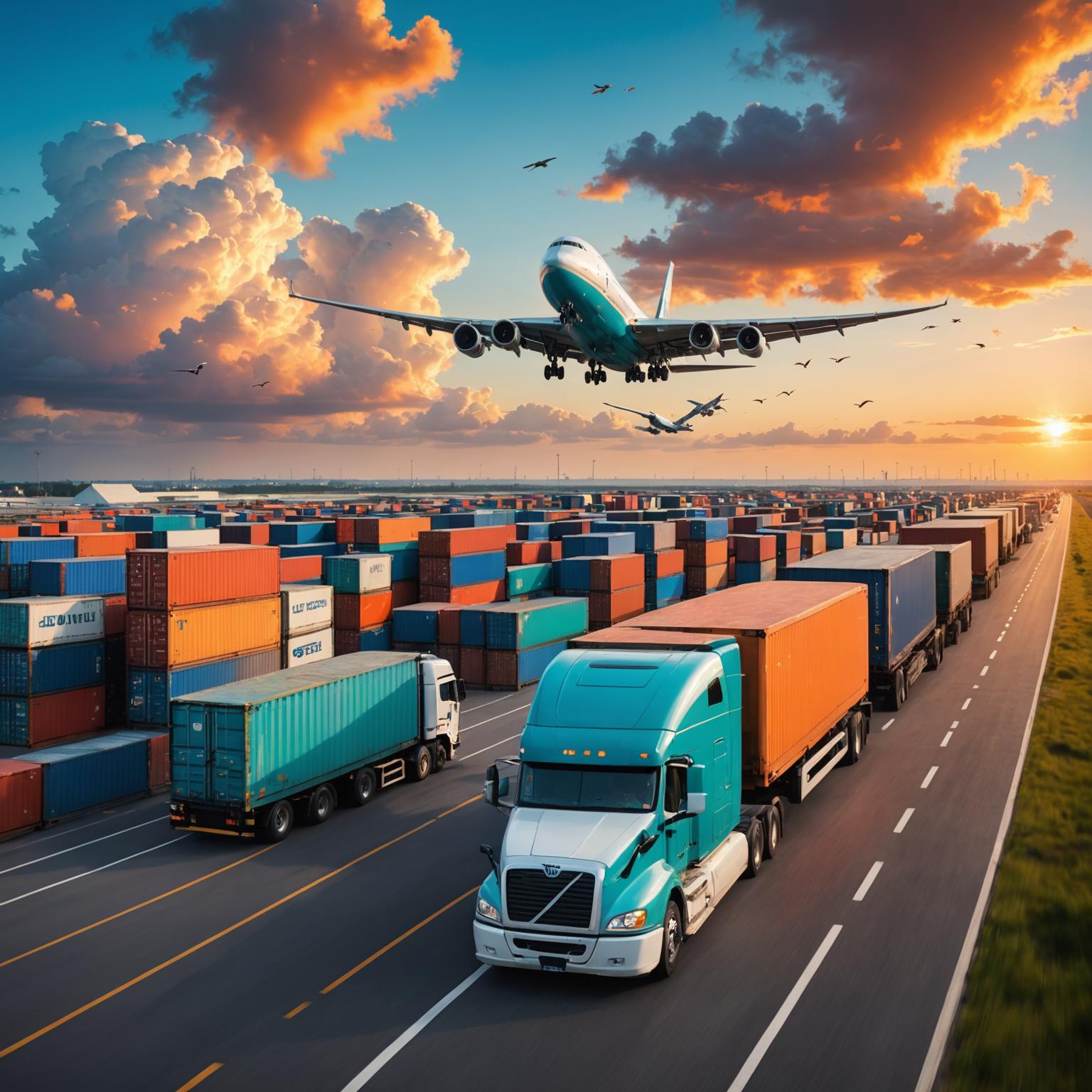
Seamless Multi-Modal Integration
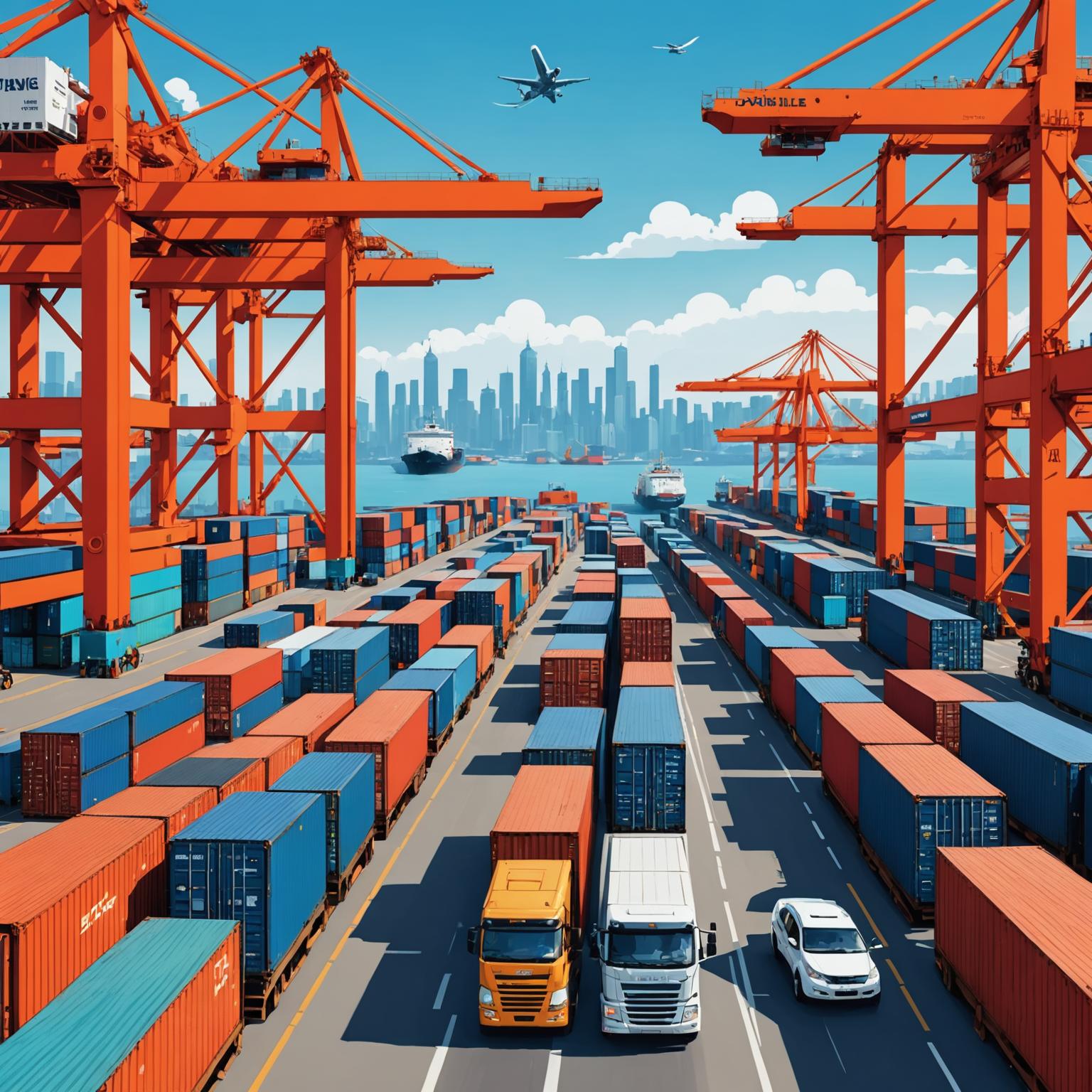
Achieving a truly efficient logistics network means looking beyond a single mode of transportation. A modern logistics system excels by integrating different methods to provide end-to-end solutions. For instance, while Air Transport covers long distances in record time, it's the ground support that makes the entire process work. This is where Truck Transport becomes essential, serving as the vital backbone for first-mile pickup from factories and last-mile delivery to customers or distribution centers. By optimizing the coordination between air and road freight, businesses can eliminate delays at transit points, ensuring that goods keep moving without interruption. This synergy reduces overall transit time and improves the predictability of arrivals, allowing for better inventory management and customer satisfaction. An integrated platform manages this entire lifecycle, from warehouse to runway to roadway, with precision.
Scalable Ocean Freight Solutions
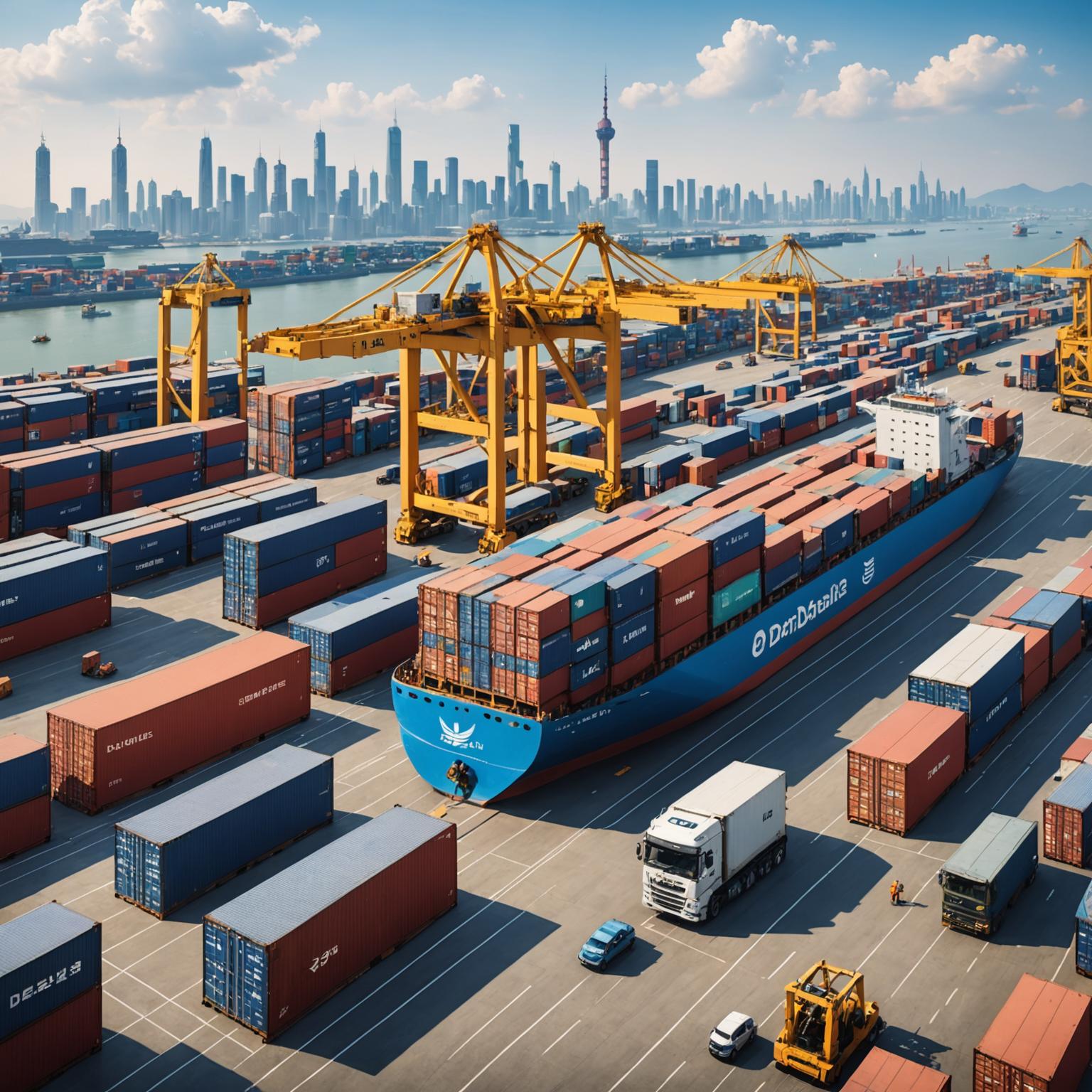
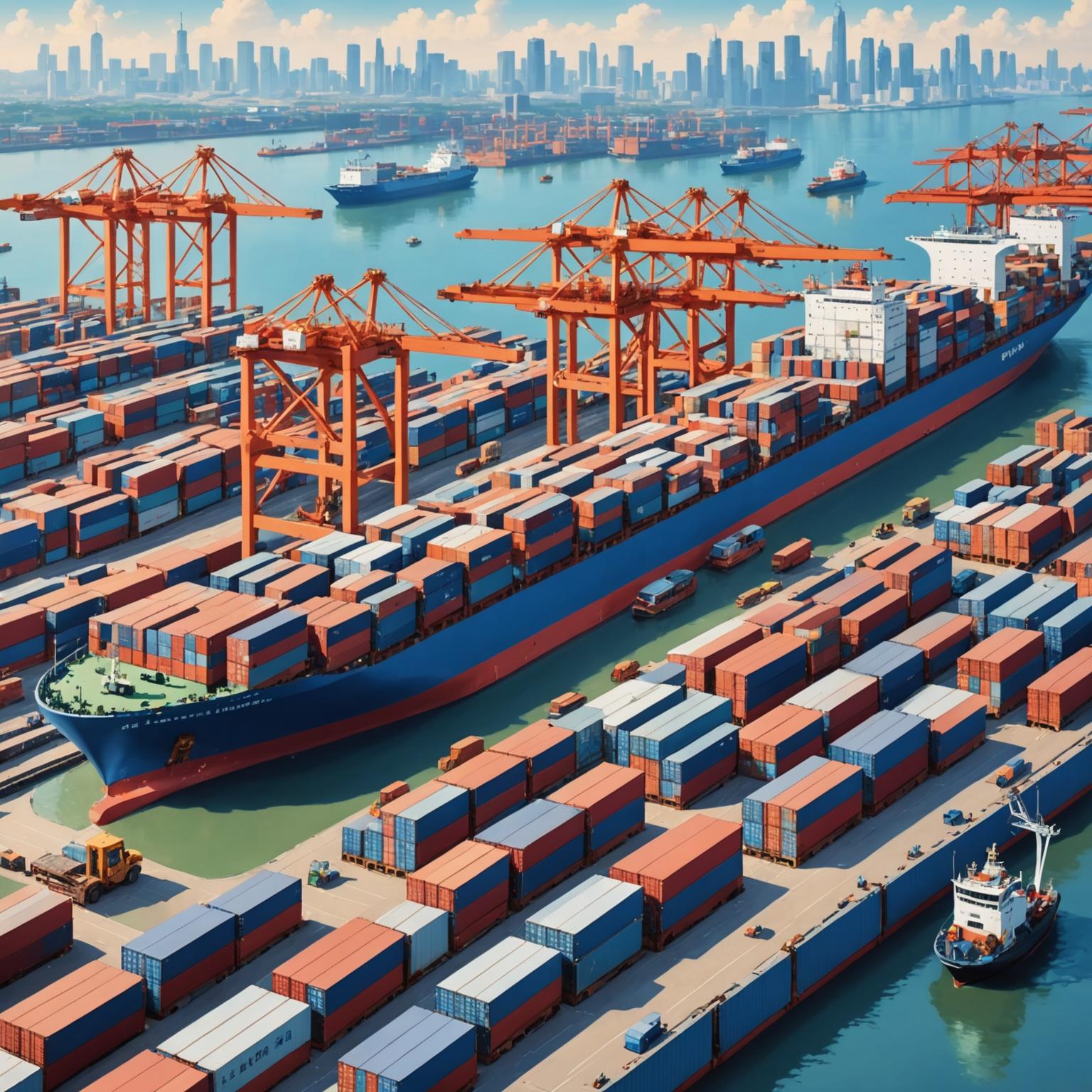
For shipments where cost is a higher priority than speed, ocean freight presents a reliable and economical alternative. The key to leveraging sea transport effectively lies in flexibility. A comprehensive logistics platform must cater to businesses of all sizes and shipment volumes, which is why it supports both Full container shipping (FCL) and Less container load (LCL) options. Full container shipping is ideal for companies with enough goods to fill an entire container, offering security and economies of scale. In contrast, Less container load allows smaller businesses or those with lower volume shipments to share container space, paying only for the volume they use. This scalability ensures that whether a company is shipping bulk materials or a small batch of products, the logistics solution can be tailored to meet their specific needs and budget, making global trade accessible to everyone.
Harnessing Technology for Superior Efficiency
Underpinning a world-class logistics network is powerful technology that provides transparency and control. Modern integration systems leverage advanced data analytics and real-time tracking to offer unparalleled visibility across every stage of the journey. This means businesses can monitor their shipments whether they are in the air, on the sea, or on the road via Truck Transport. Such data-driven insights allow for proactive decision-making, helping to anticipate potential delays and identify optimization opportunities. By analyzing routes and load capacities, the system can enhance efficiency and even promote sustainability by reducing fuel consumption and carbon emissions. This combination of physical transit options like Less container load and powerful digital tools revolutionizes supply chain management, turning it from a complex challenge into a strategic advantage.
The Future of Global Logistics
The future of logistics is not about choosing one mode of transport, but about intelligently combining them. A truly innovative Global Logistics Integration System brings together the best of every world: the velocity of Air Transport, the widespread connectivity of Truck Transport, and the cost-effectiveness of Full container shipping. By providing a single, unified platform to manage these diverse elements, businesses can streamline their operations, reduce costs, and enhance reliability. This holistic approach ensures that no matter the cargo or destination, goods arrive safely, on time, and with maximum efficiency, paving the way for sustained growth in a competitive global landscape.