The Unrivaled Capacity of Ocean Transport
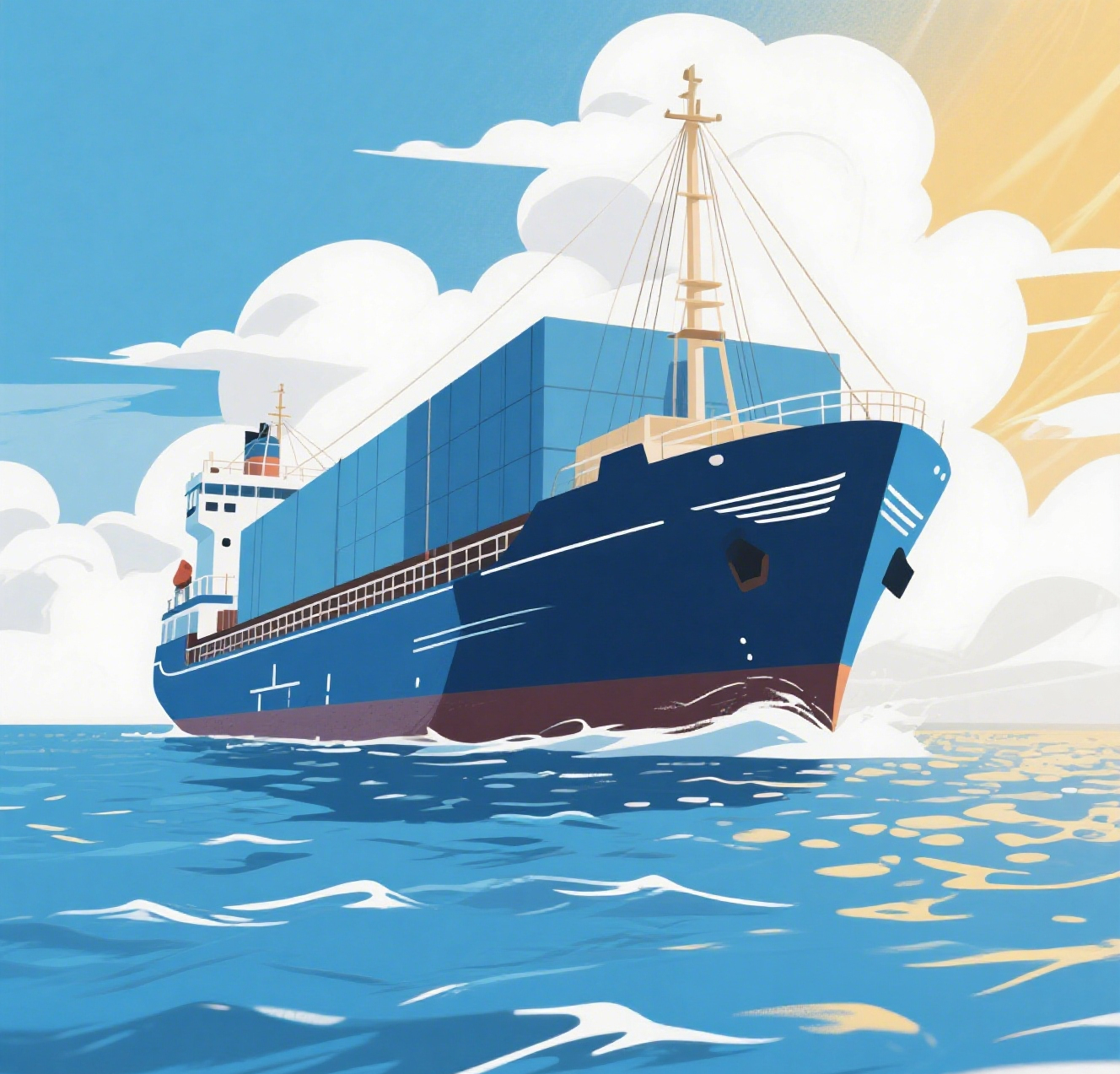
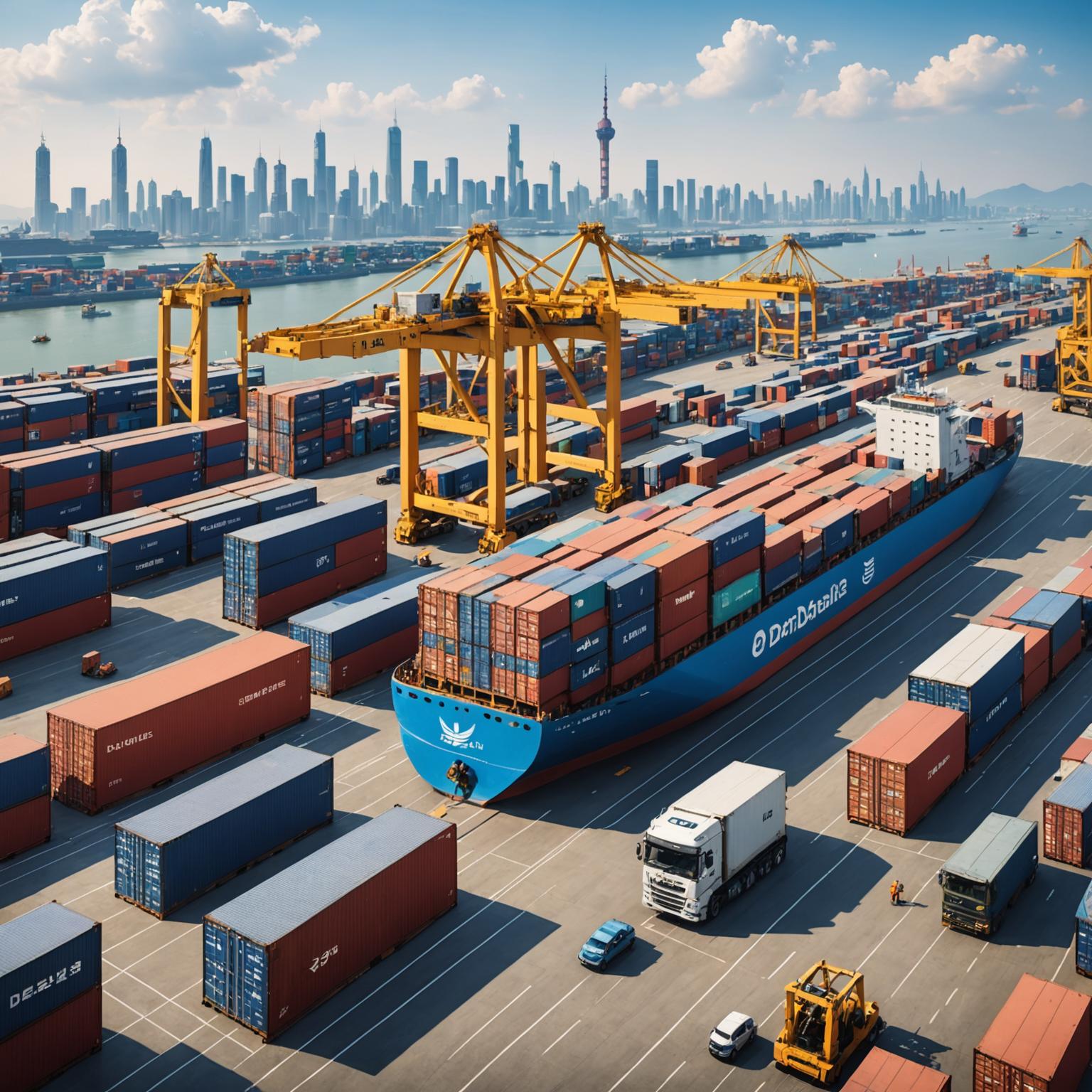
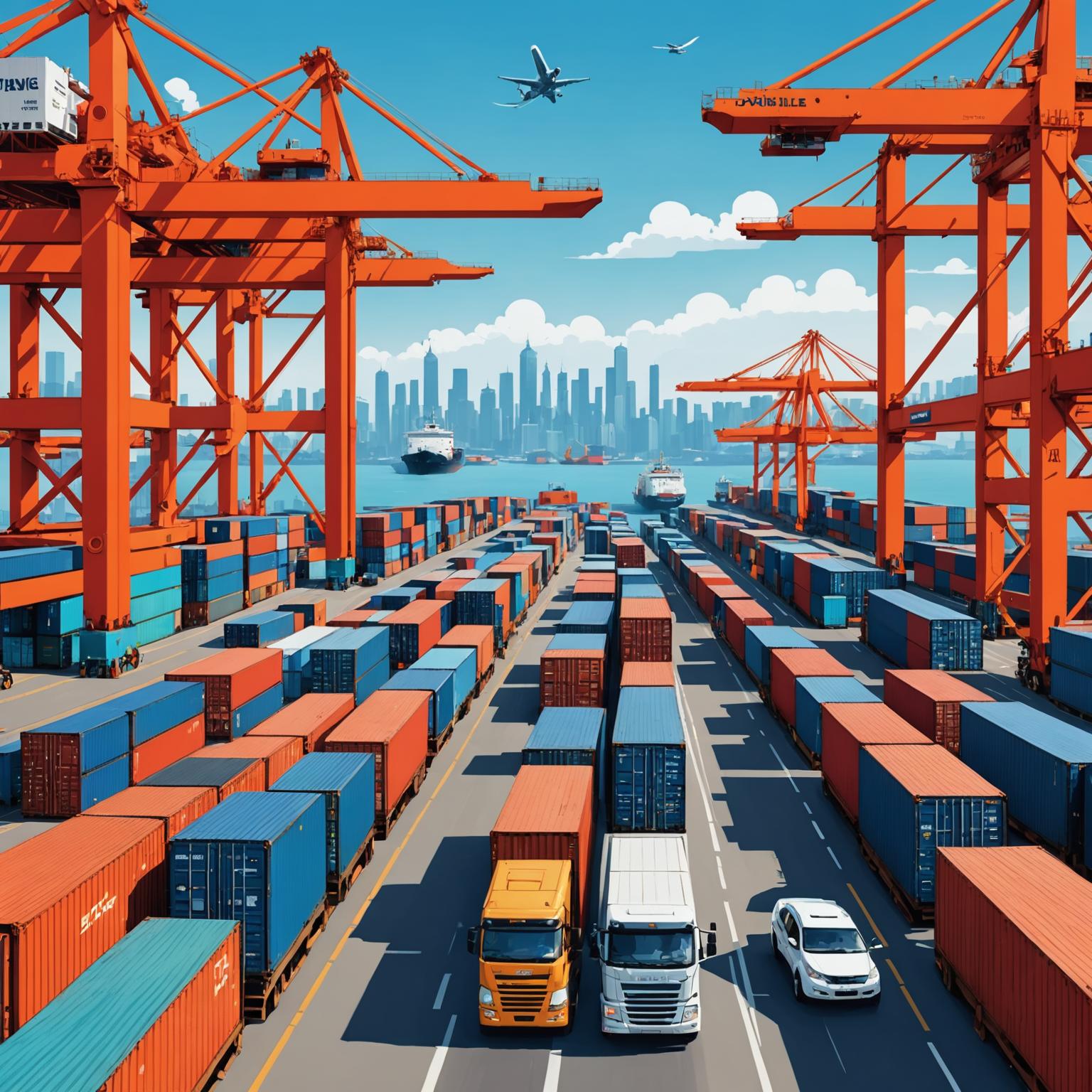
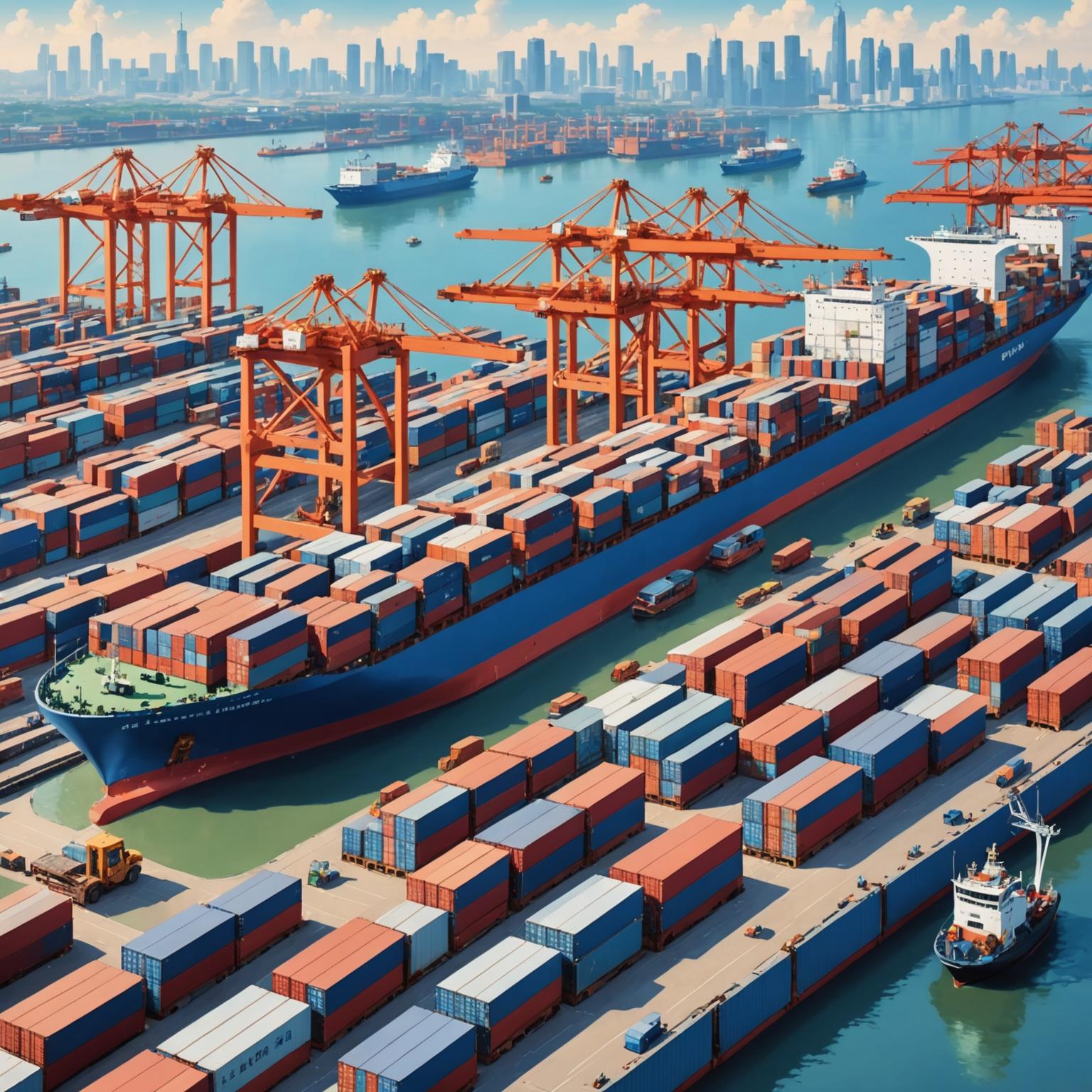
In the vast, interconnected world of global commerce, reliable and efficient shipping is the lifeblood that keeps markets moving. At the heart of this intricate network lies Ocean Transport, the undisputed champion for moving massive volumes of goods across continents. For businesses looking to expand their reach and manage large-scale inventories, sea freight offers an unparalleled combination of capacity and cost-effectiveness. Modern container ships, the behemoths of the sea, are designed to carry thousands of containers at once, enabling the transport of everything from raw materials and heavy machinery to consumer products and agricultural goods. This mode of transport is the backbone of the global supply chain, ensuring that products manufactured in one corner of the world can affordably reach markets on the other side.
When Speed is the Priority: The Role of Air Transport
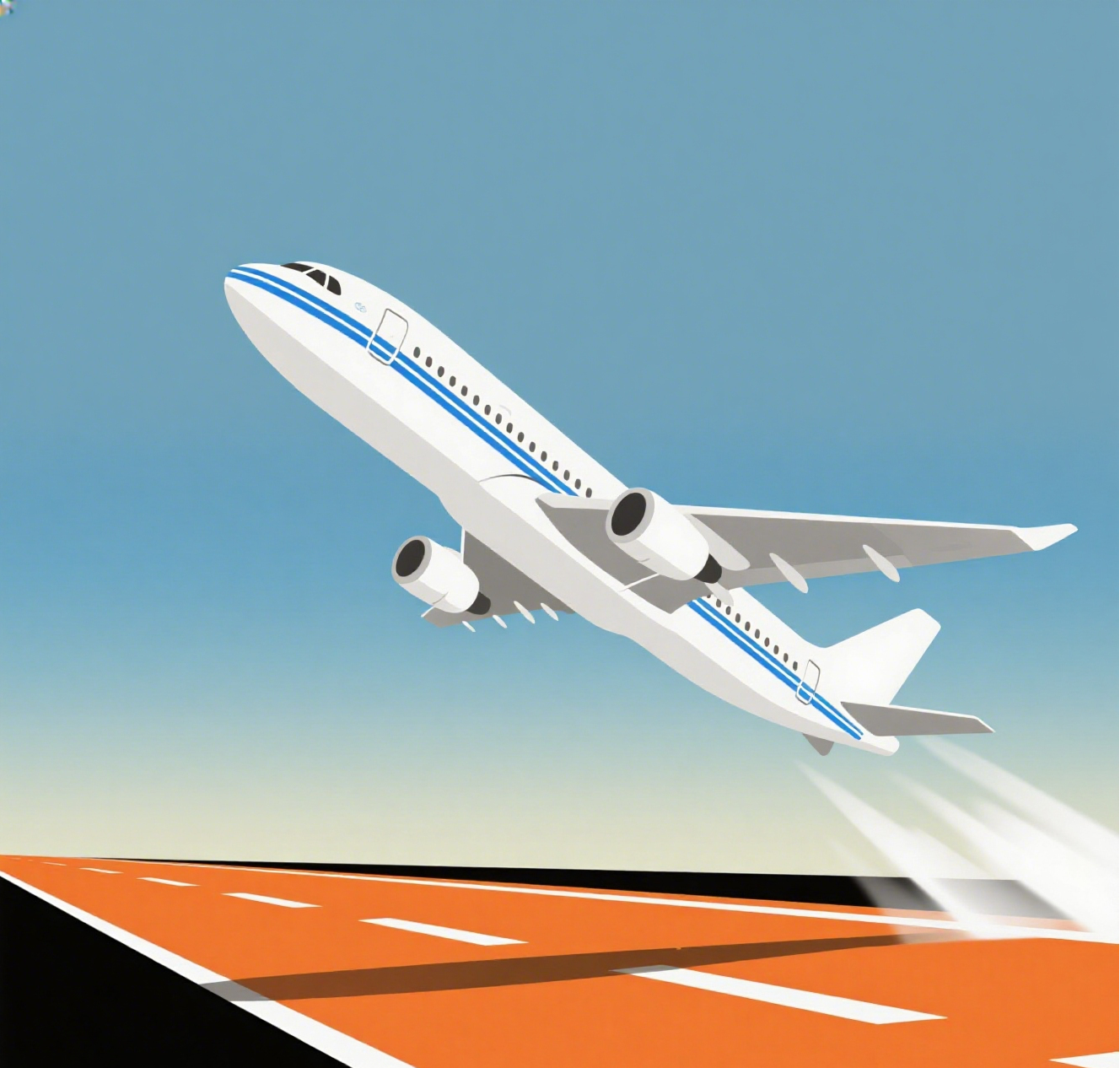
While the scale of sea freight is impressive, some shipments operate on a different timeline, one where speed is non-negotiable. This is where the strategic advantage of Air Transport becomes crucial. For time-critical consignments, such as high-value electronics, perishable goods, or urgent medical supplies, air freight provides the rapid delivery that Ocean Transport cannot match. By leveraging cutting-edge aviation networks, businesses can ensure their products traverse continents in a matter of hours, not weeks. This speed allows for more agile inventory management and the ability to respond quickly to market demands, making Air Transport an indispensable tool for fast-paced industries where delays can be costly.
Creating a Balanced Strategy: Integrating Sea and Air
The most sophisticated logistics strategies rarely rely on a single mode of transport. Instead, they find a powerful synergy by integrating different methods to optimize for both cost and delivery speed. A modern approach often involves a clever combination of sea freight and Air Transport, sometimes referred to as a sea-air service. In this hybrid model, goods might travel the longest leg of their journey via a cost-effective container ship and then be transferred to an airplane for the final, time-sensitive portion of the delivery. This blended approach offers a perfect middle ground, providing faster transit times than pure Ocean Transport while remaining more economical than direct air freight. A unified digital platform is essential here, allowing businesses to seamlessly manage, track, and adjust these complex multi-modal shipments from a single dashboard.
Navigating the Future of Logistics
As the demands on global supply chains grow more complex, so too does the technology that powers them. The future of logistics is being shaped by remarkable innovations in both sea and air freight. Sustainability is at the forefront, with the development of energy-efficient jet engines, carbon-neutral shipping practices, and cleaner fuels. Simultaneously, technology is redefining efficiency. AI-driven route optimization, real-time tracking systems, and smart warehouse management provide unprecedented visibility and control over shipments. Whether by sea or by air, this integration of green technology and digital innovation ensures that the supply chains of tomorrow will be not only faster and more reliable but also more transparent and environmentally responsible than ever before.