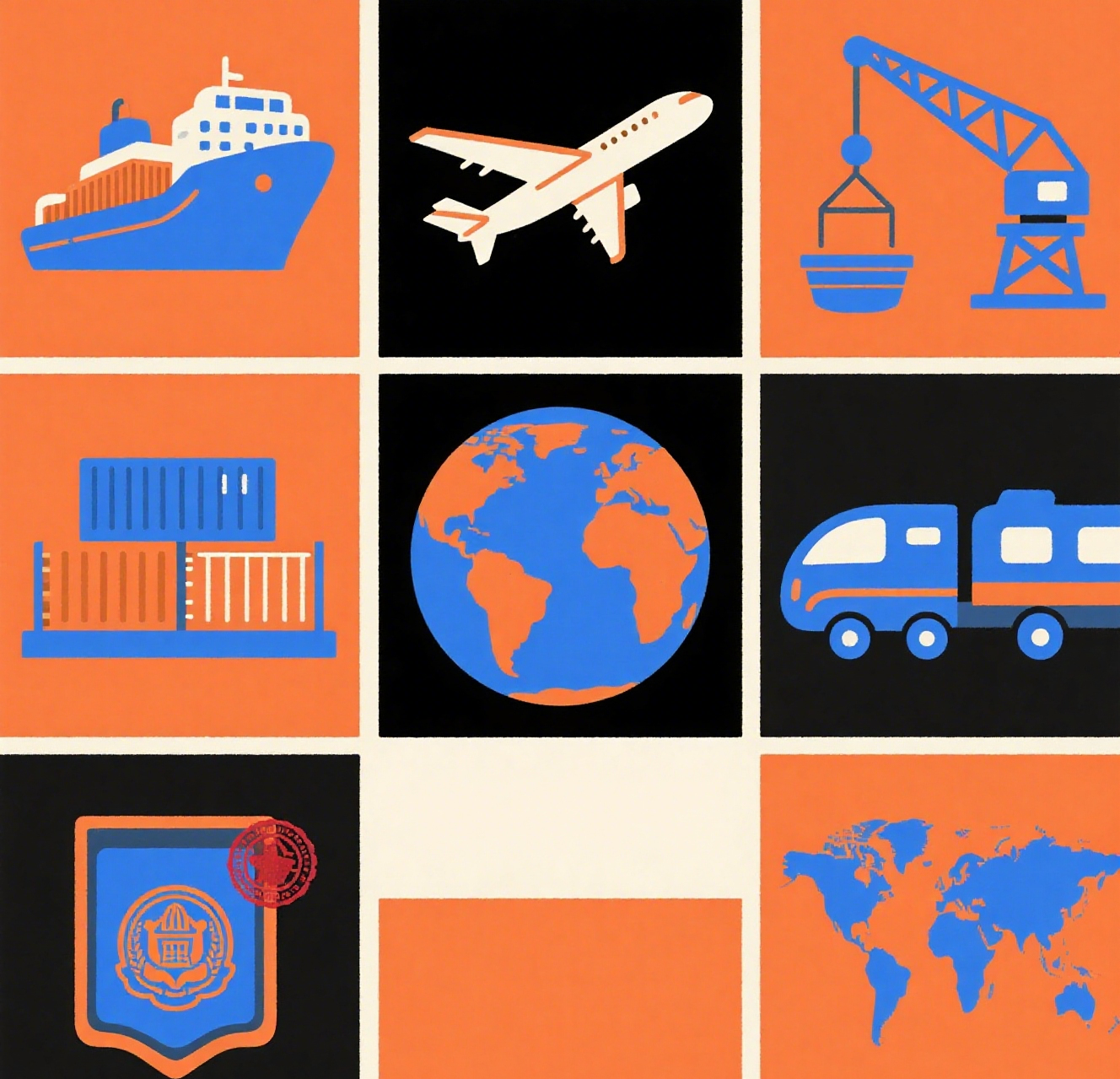
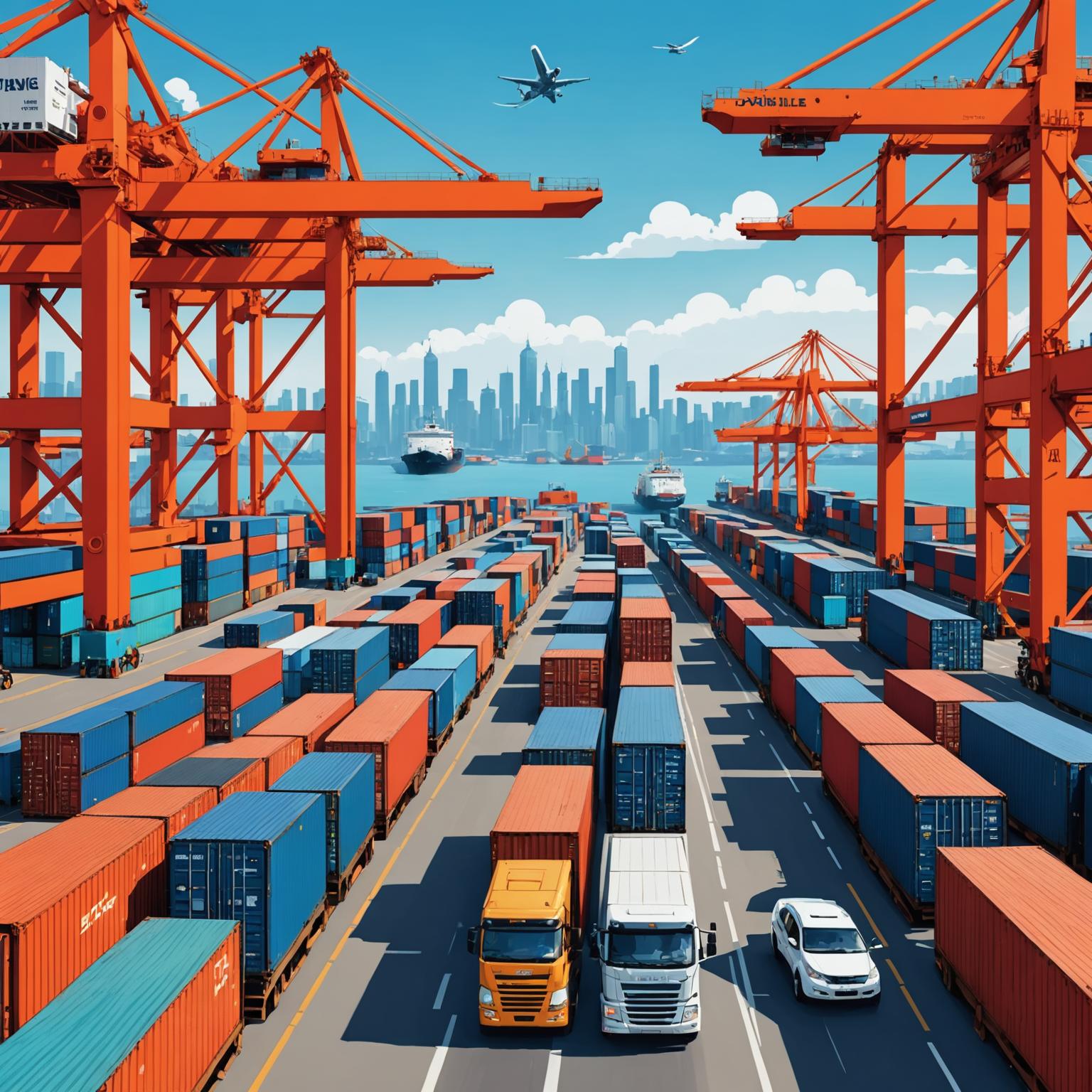
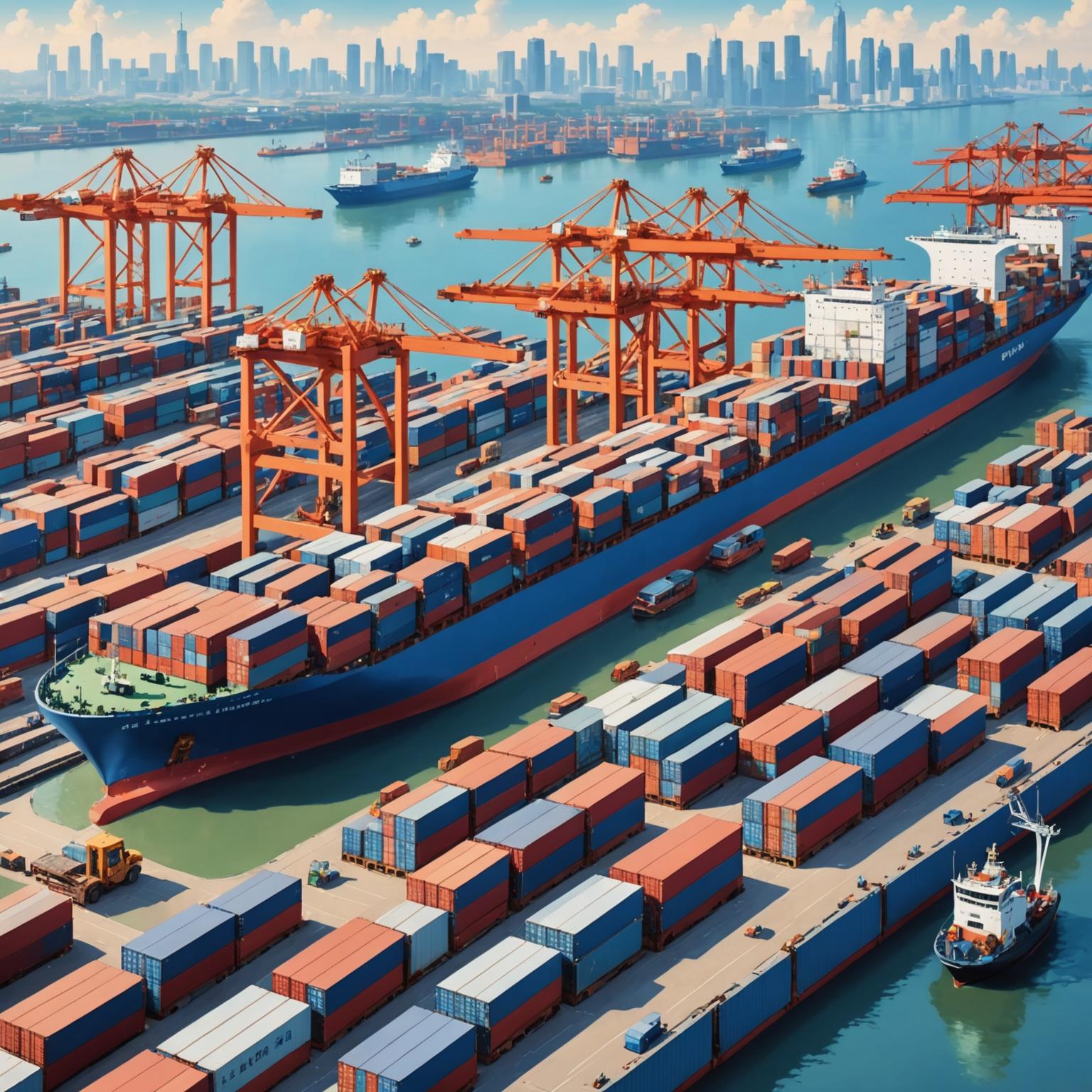
In the intricate world of global commerce, the movement of goods across continents is the lifeblood of the modern economy. Businesses of all sizes rely on efficient and reliable logistics to connect with suppliers and customers, and at the heart of this network lie two dominant modes of freight: Ocean Transport and Air Transport. Understanding the unique characteristics of each is crucial for creating a supply chain that is both cost-effective and responsive to market demands. Choosing the right method, or a combination of both, can define a company's success on the global stage.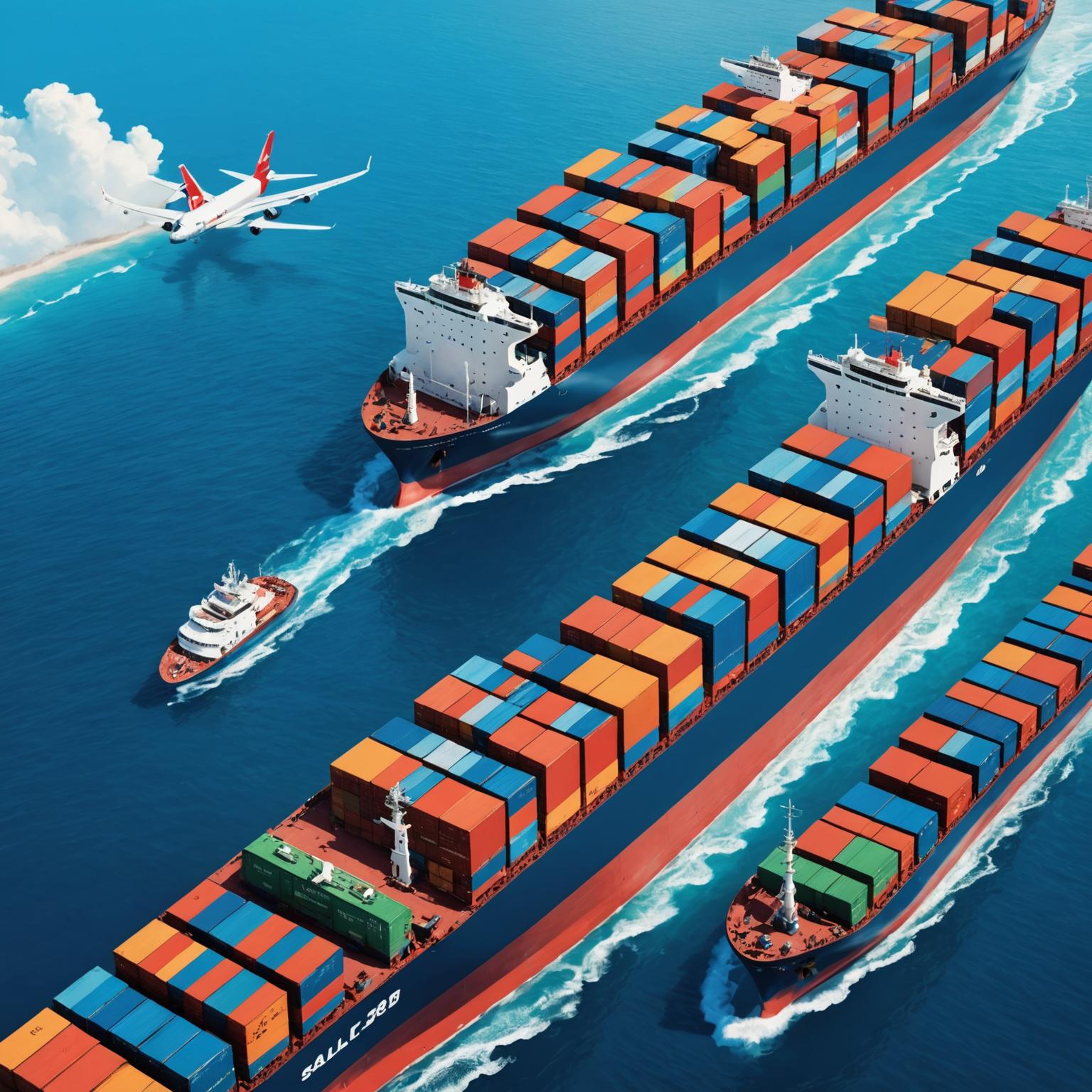
The Foundation of Global Trade: Ocean Transport
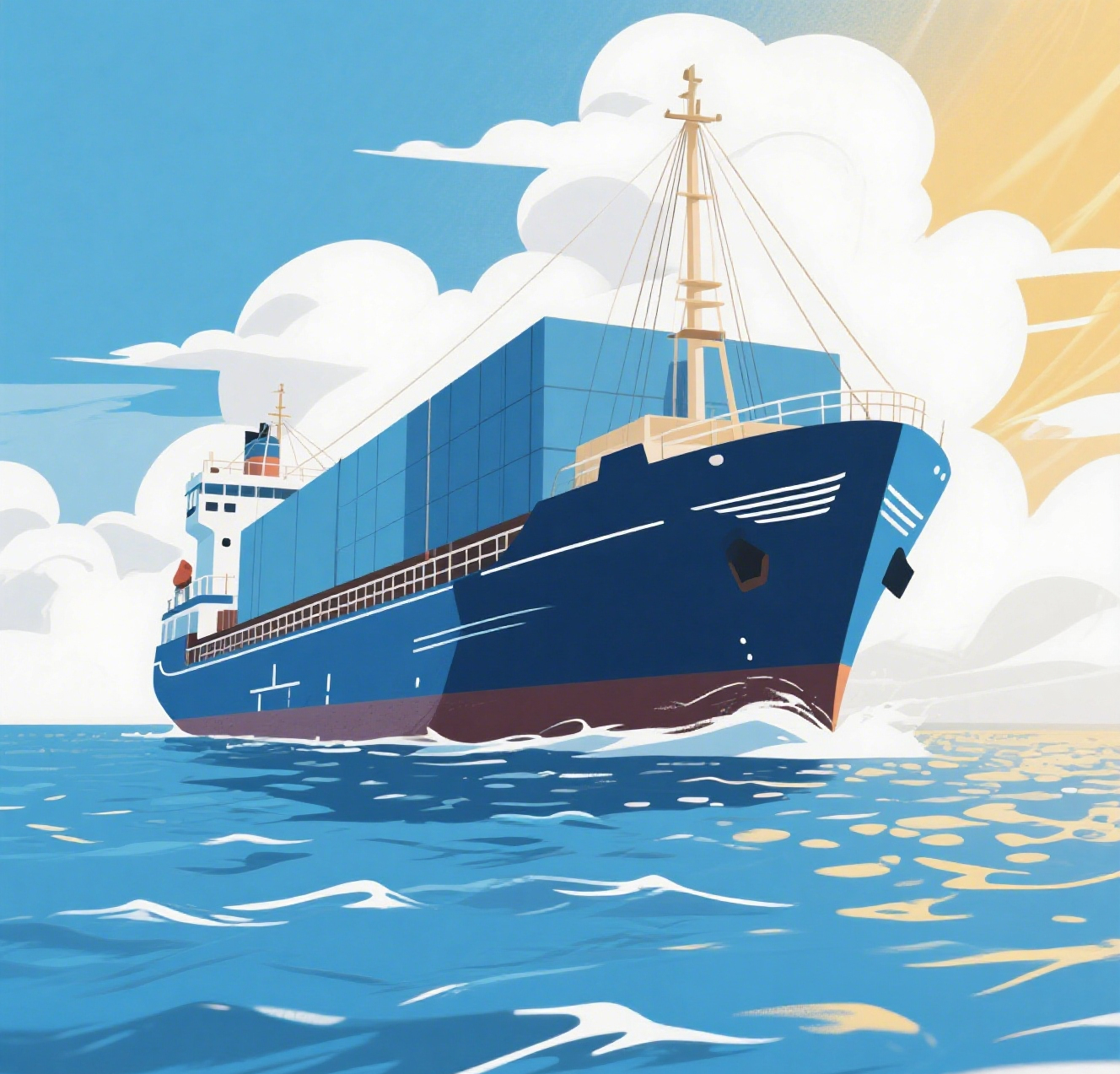
Ocean Transport is the cornerstone of international shipping, responsible for moving the vast majority of global trade by volume. Its primary advantage lies in its immense capacity and unparalleled cost-efficiency for large, heavy, or bulk shipments. Cargo ships can carry thousands of containers at once, making the per-unit cost significantly lower than any other method. This makes it the ideal choice for non-perishable goods, raw materials, automobiles, and large machinery where speed is not the most critical factor. Our Global Logistics Solution leverages this by offering high-capacity, cost-efficient bulk shipping across oceans, facilitated by advanced container tracking and digital coordination to ensure your cargo is managed effectively from port to port.
When Speed is a Priority: The Advantage of Air Transport
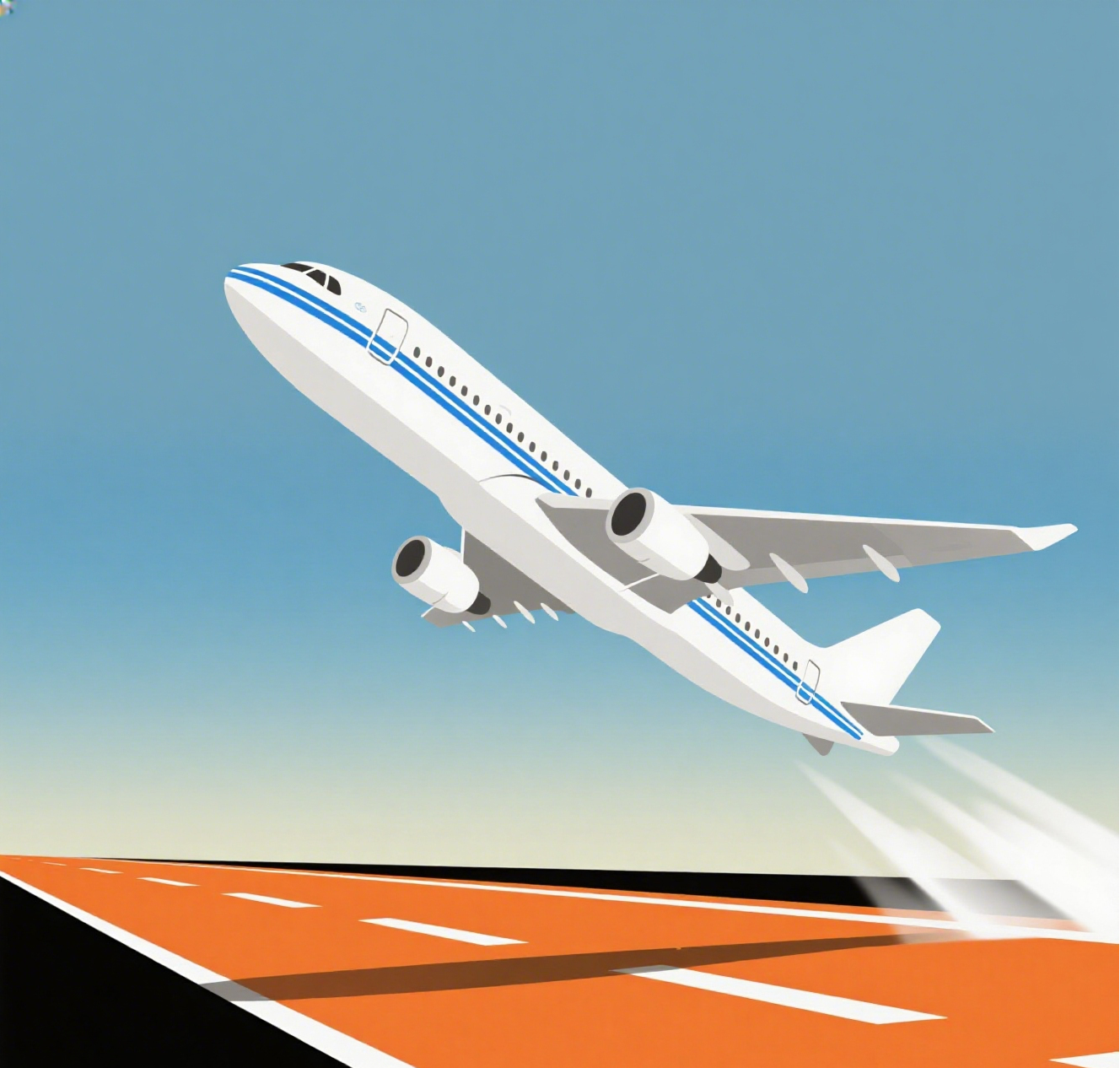
On the other end of the spectrum is Air Transport, the champion of speed and urgency. When transit time is critical, nothing beats the velocity of freight aircraft. This mode is essential for time-sensitive cargo such as perishable goods like fresh produce, high-value items like electronics, and urgent medical supplies. While the cost is substantially higher and capacity is more limited compared to sea freight, the benefits of rapid delivery, reduced inventory holding costs, and enhanced security often justify the premium. Our integrated logistics services include ultra-fast express shipping via air freight, ensuring your priority goods reach their destinations without delay and with complete visibility.
Making the Strategic Choice: Sea vs. Air
The decision between shipping via sea or air hinges on a careful balance of three key factors: cost, speed, and cargo type. If your priority is minimizing expenses and your shipping schedule has flexibility, the economic choice is almost always sea freight. However, if your products have a short shelf-life, are part of a just-in-time manufacturing process, or are needed to meet immediate customer demand, the speed of air freight becomes a strategic necessity. A comprehensive logistics strategy often involves using both, deploying each method where it brings the most value to the supply chain.
The Power of Integrated Logistics
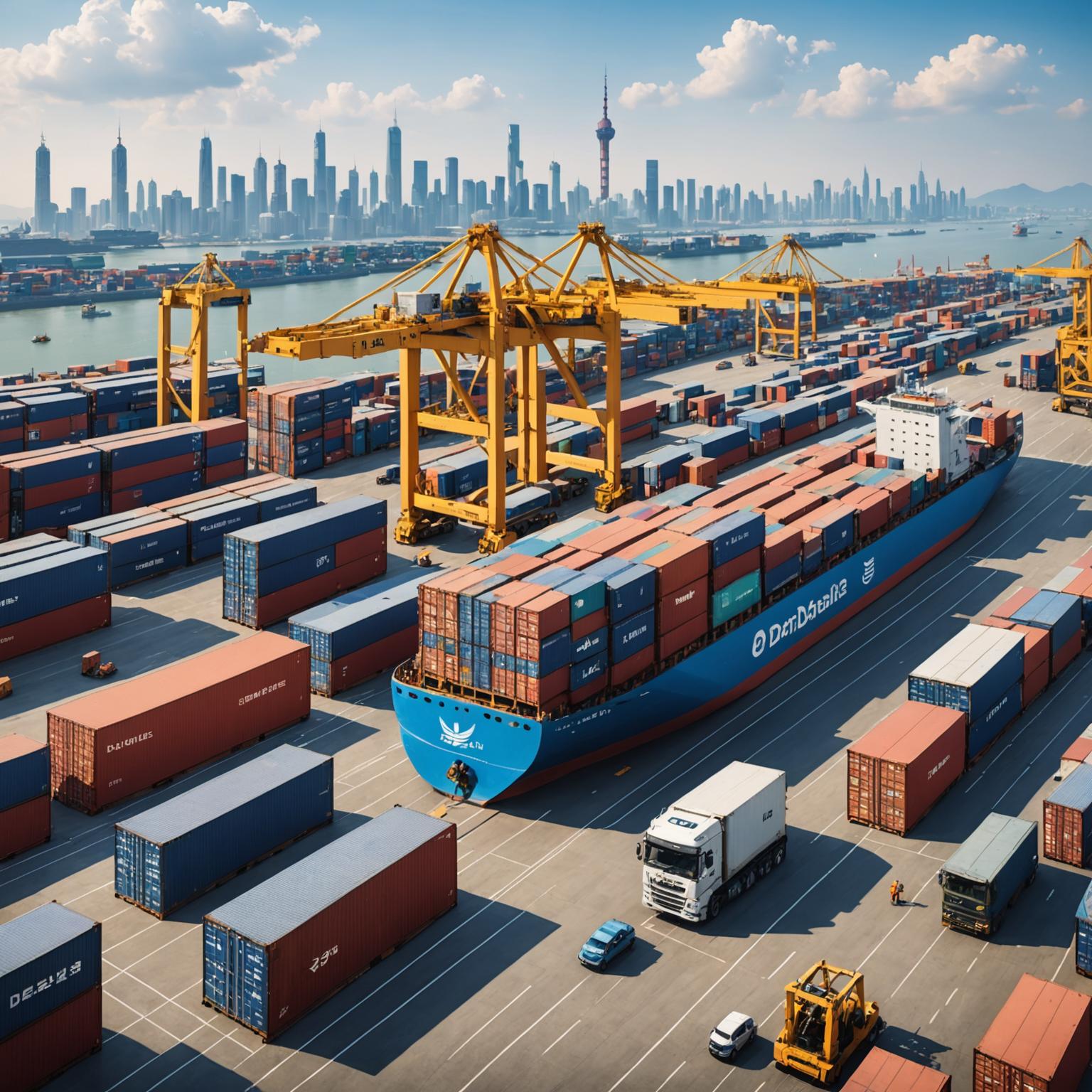
Why choose one when you can have the best of both? The future of global logistics lies in multi-modal solutions that seamlessly integrate different transportation methods. An advanced logistics partner can design a supply chain that uses a combination of sea, air, and land transport to optimize both cost and delivery times. For instance, a shipment can travel the long-haul portion of its journey via a cost-effective ocean vessel and then be transferred to an aircraft for the final, time-critical leg of delivery. With our Global Logistics Solution, we harness AI-driven management and real-time tracking across every stage, connecting continents without boundaries and giving you complete control over your shipments, anywhere and anytime.