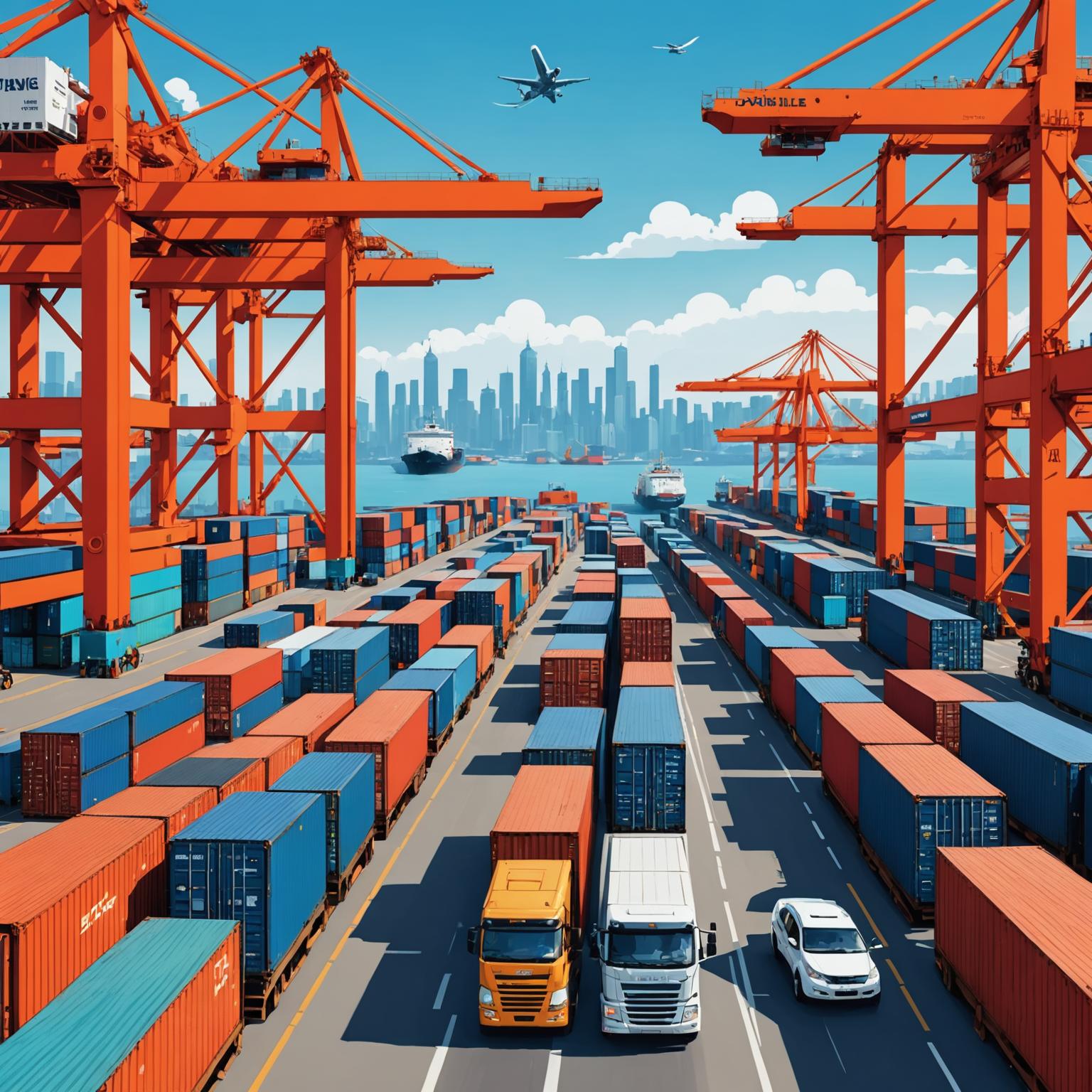
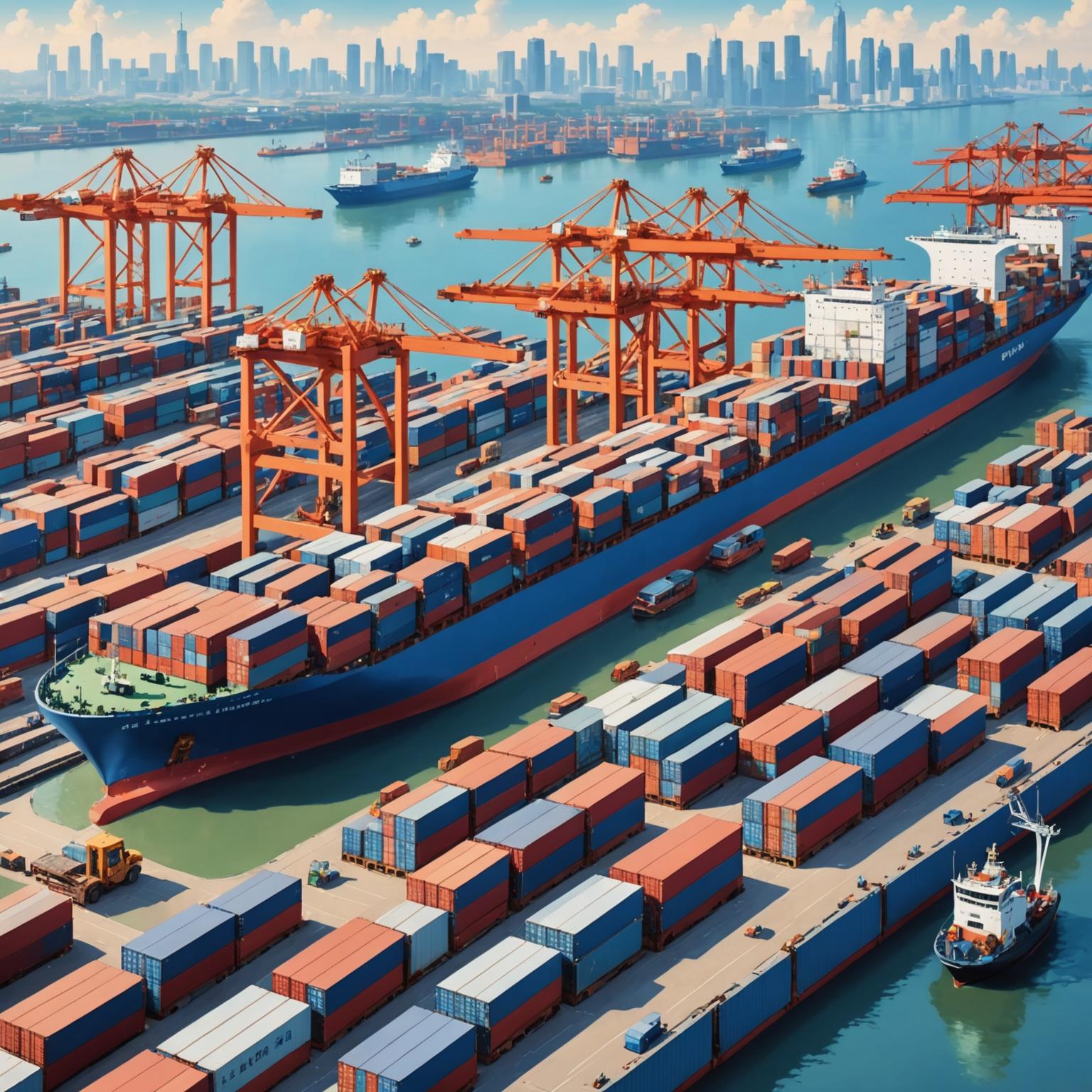
In the intricate dance of global commerce, moving goods across continents efficiently and reliably is paramount. The decision between different shipping methods can define a company's success, with two titans dominating international logistics: Ocean Transport and Air Transport. While both serve the ultimate goal of connecting markets, they offer distinct advantages tailored to different needs, timelines, and budgets. Choosing the right path requires a deep understanding of what each mode brings to the table for your unique supply chain.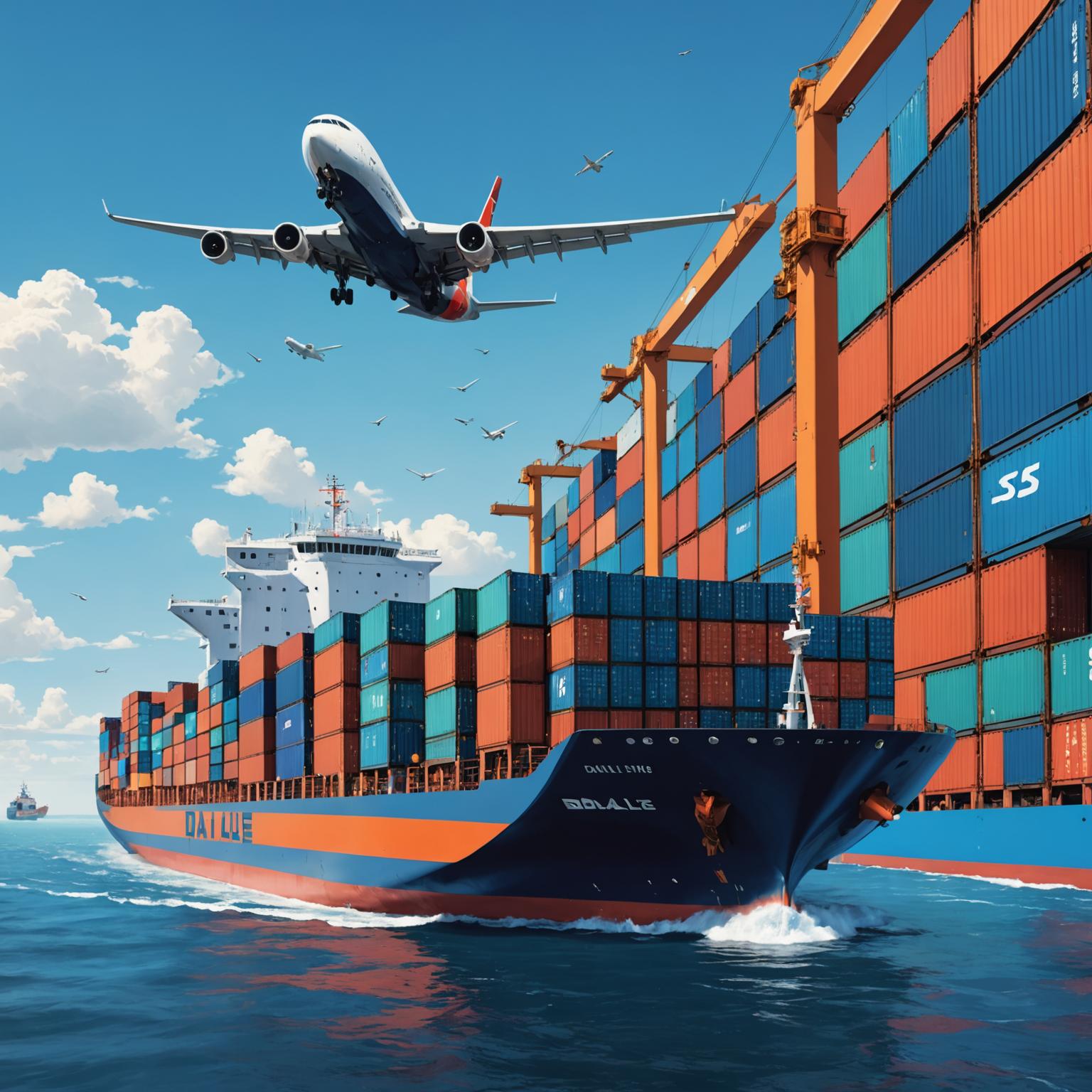
The Foundation of Global Trade: Ocean Transport
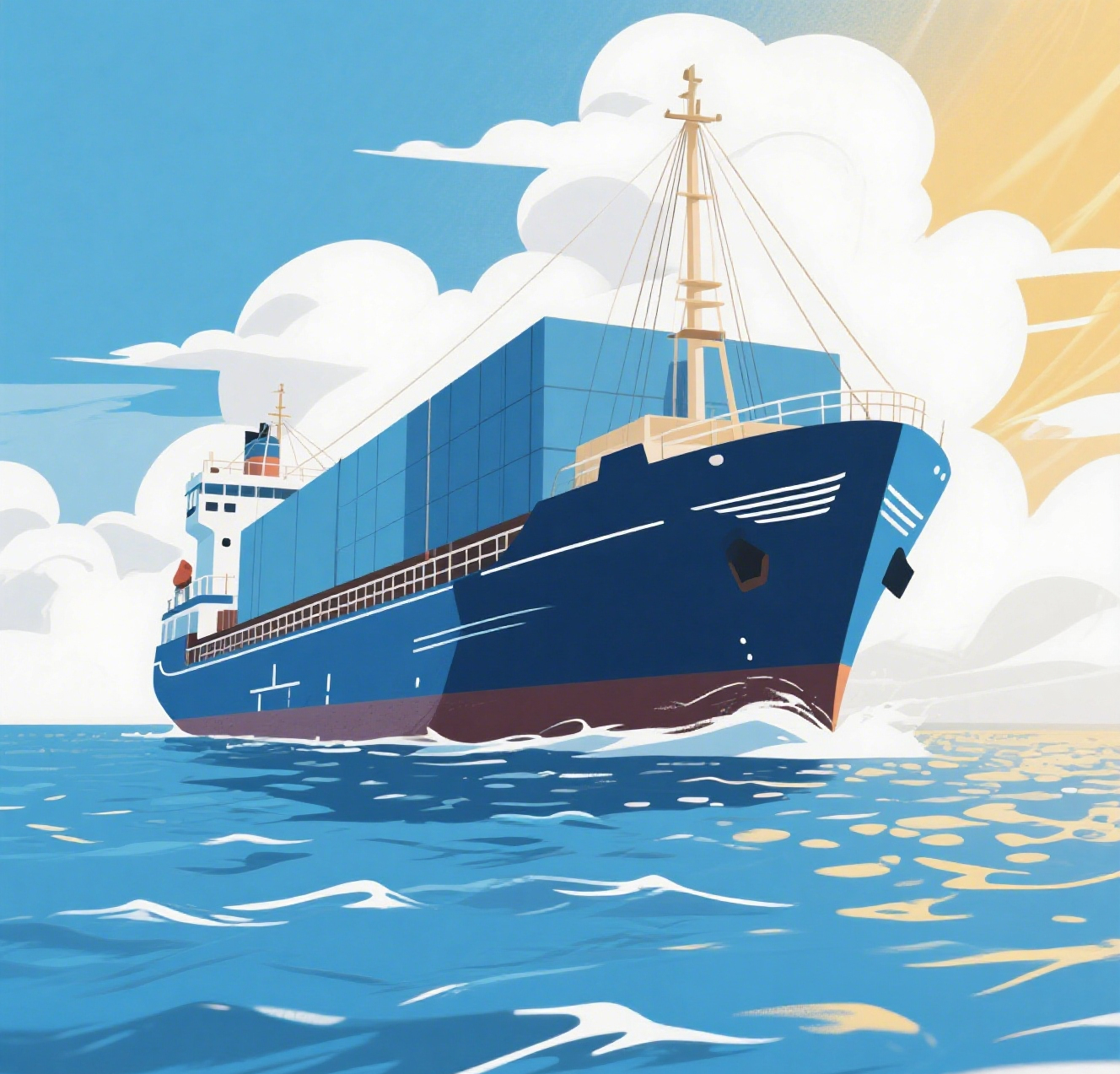
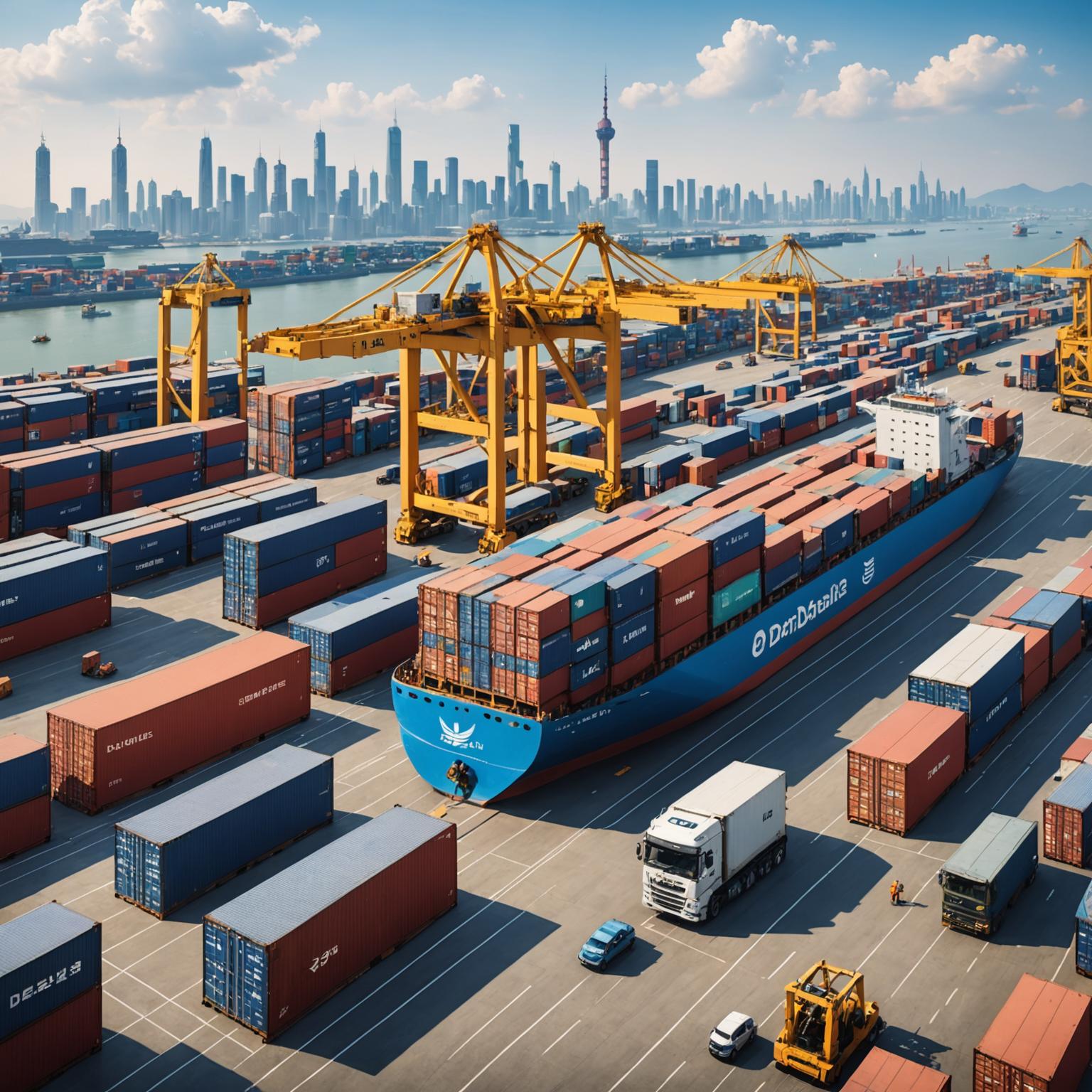
Ocean Transport remains the undisputed backbone of international trade, responsible for moving the vast majority of goods worldwide. Its primary allure is unparalleled cost-effectiveness, especially for large, heavy, or bulk shipments. Imagine vast container ships, the unsinkable giants of the sea, carrying everything from raw materials to finished consumer products in massive volumes. This scale translates directly into a lower cost per unit, making it the go-to choice for businesses prioritizing budget over speed. Furthermore, the industry is making significant strides in sustainability. Modern vessels are engineered with greater fuel efficiency and advanced logistics software that integrates seamlessly with port operations, ensuring smoother, greener, and more predictable journeys. For any business managing a high-volume, cost-sensitive supply chain, Ocean Transport provides a robust and reliable foundation.
The Express Lane in the Sky: Air Transport
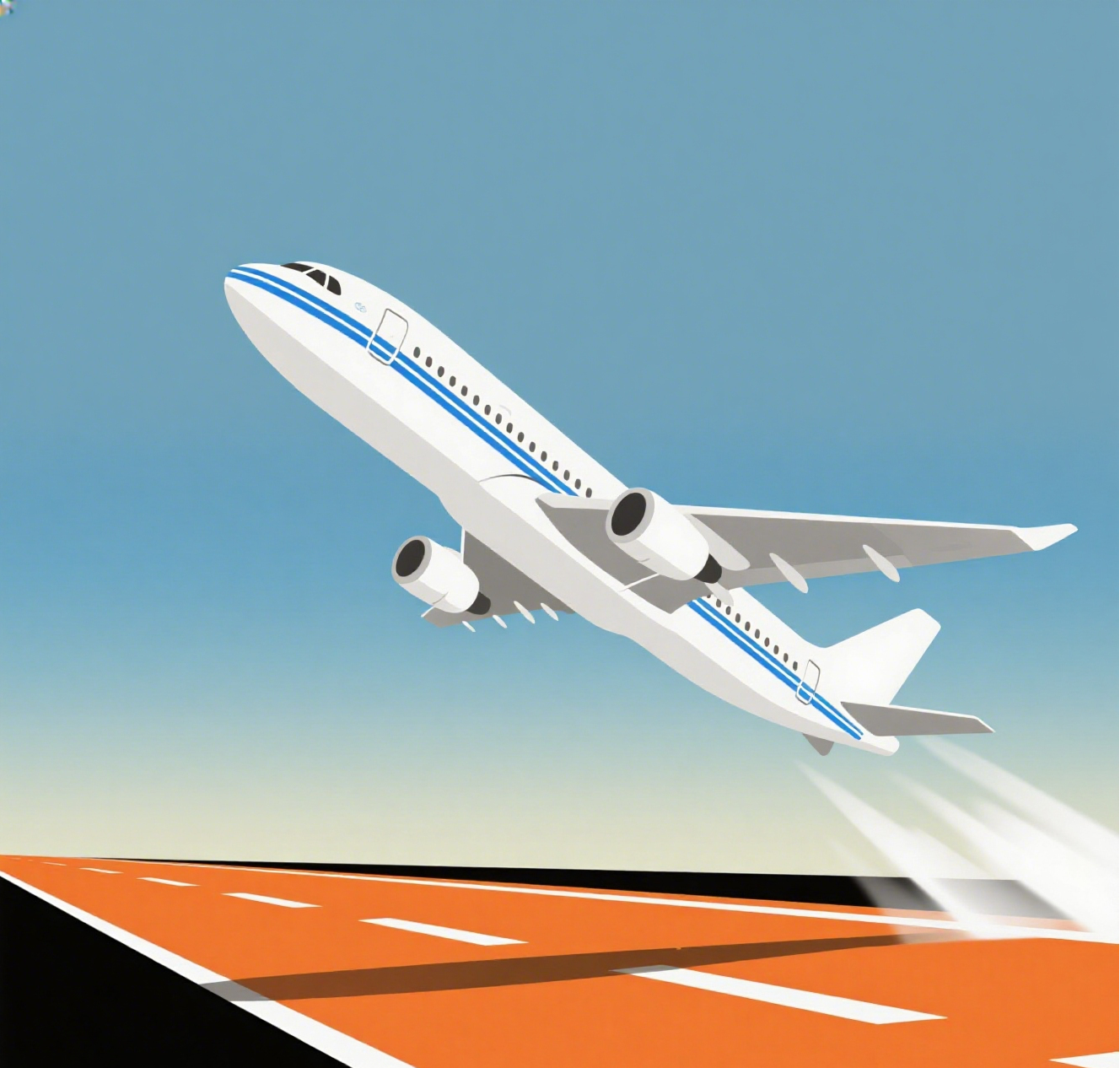
When time is of the essence, Air Transport takes center stage. It is the gold standard for speed, shrinking global transit times from weeks to mere days or even hours. This velocity is crucial for time-sensitive cargo, such as perishable goods, high-value electronics, pharmaceuticals, and urgent replacement parts. The inherent security and reduced handling in air freight also minimize the risk of damage or theft, offering peace of mind for valuable shipments. While the cost is higher than sea freight, the benefits often justify the investment. Real-time tracking capabilities and streamlined customs processes mean that businesses can promise and deliver on tight deadlines, maintaining customer satisfaction and gaining a significant competitive edge in fast-paced markets.
A Strategic Decision: Balancing Cost, Speed, and Cargo
The choice between these two powerful modes is a strategic one. If your business deals with non-perishable goods and can accommodate longer lead times, the economic benefits of Ocean Transport are undeniable. It allows for better inventory planning and significantly lower freight costs. Conversely, if your product has a short shelf-life, is of high value, or is needed to fulfill an urgent market demand, the speed and reliability of Air Transport are indispensable. The premium paid for air freight is an investment in market responsiveness, risk reduction, and maintaining the integrity of your product and brand promise.
The Future is Integrated: A Unified Logistics Approach
The most forward-thinking businesses are realizing that the debate isn't about choosing one over the other but about leveraging both within a cohesive, integrated logistics framework. The future lies in a centralized system, often powered by AI, that can dynamically coordinate both sea and air shipments. This technology optimizes routes, schedules, and transportation modes based on real-time data, from weather conditions to market demand. Imagine a shipment beginning its journey via cost-effective sea freight and being transferred to a plane for the final, time-critical leg of its delivery. This hybrid approach ensures that goods move across the globe in the smartest, fastest, and most efficient way possible, uniting the world through smarter, interconnected shipping solutions.