Navigating Global Trade: Choosing Between Ocean and Air
In the ever-expanding world of global commerce, moving goods from one continent to another is a critical component of any successful supply chain. The two primary methods for international shipping are Ocean Transport and Air Transport, each offering a distinct set of advantages and considerations. Understanding the nuances of these transport modes is essential for businesses looking to optimize their logistics for efficiency, cost, and speed. The choice between them often dictates the entire flow of a supply chain, from warehouse management to final delivery, shaping how products reach their final destination.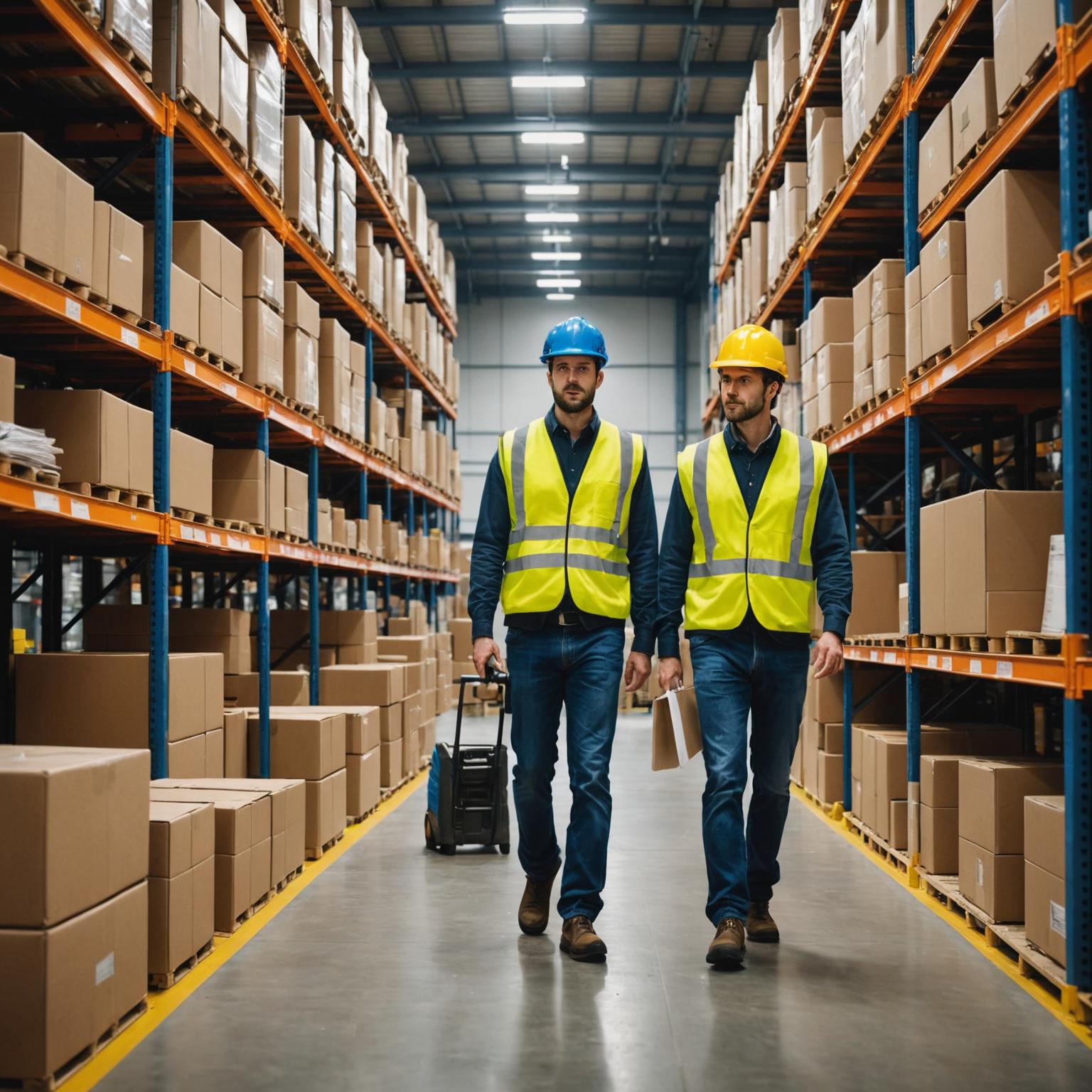
The Backbone of Global Commerce: Ocean Transport
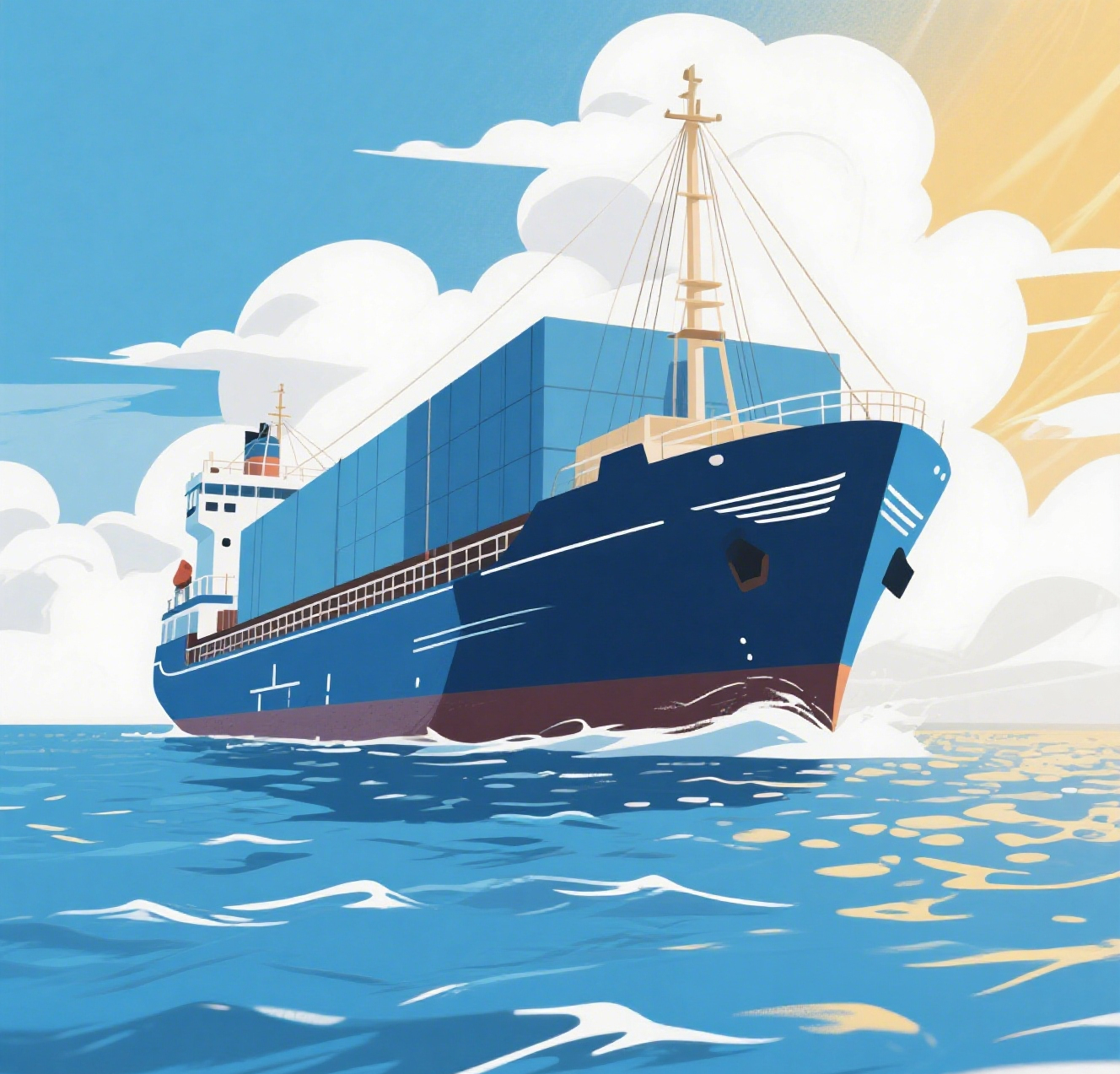
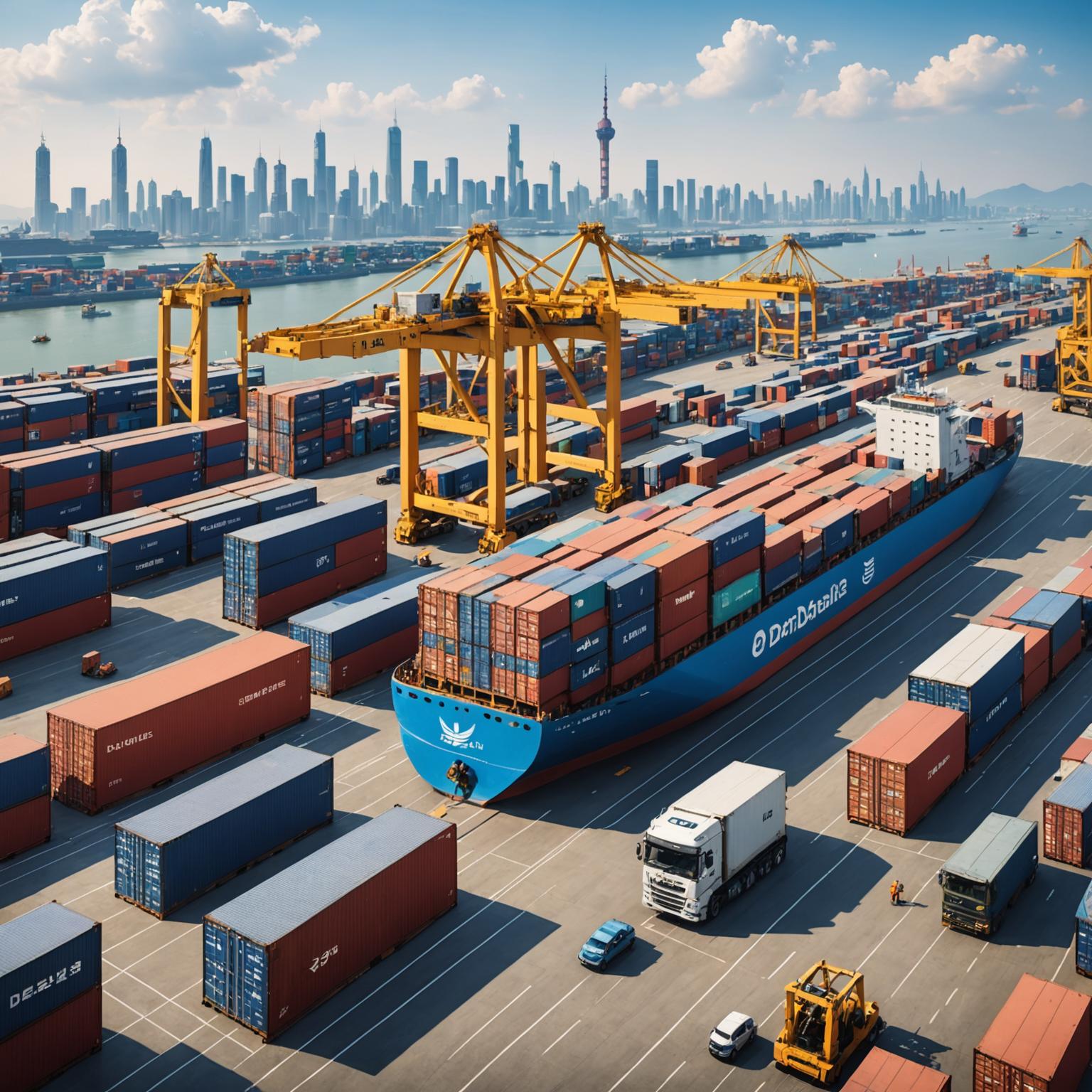
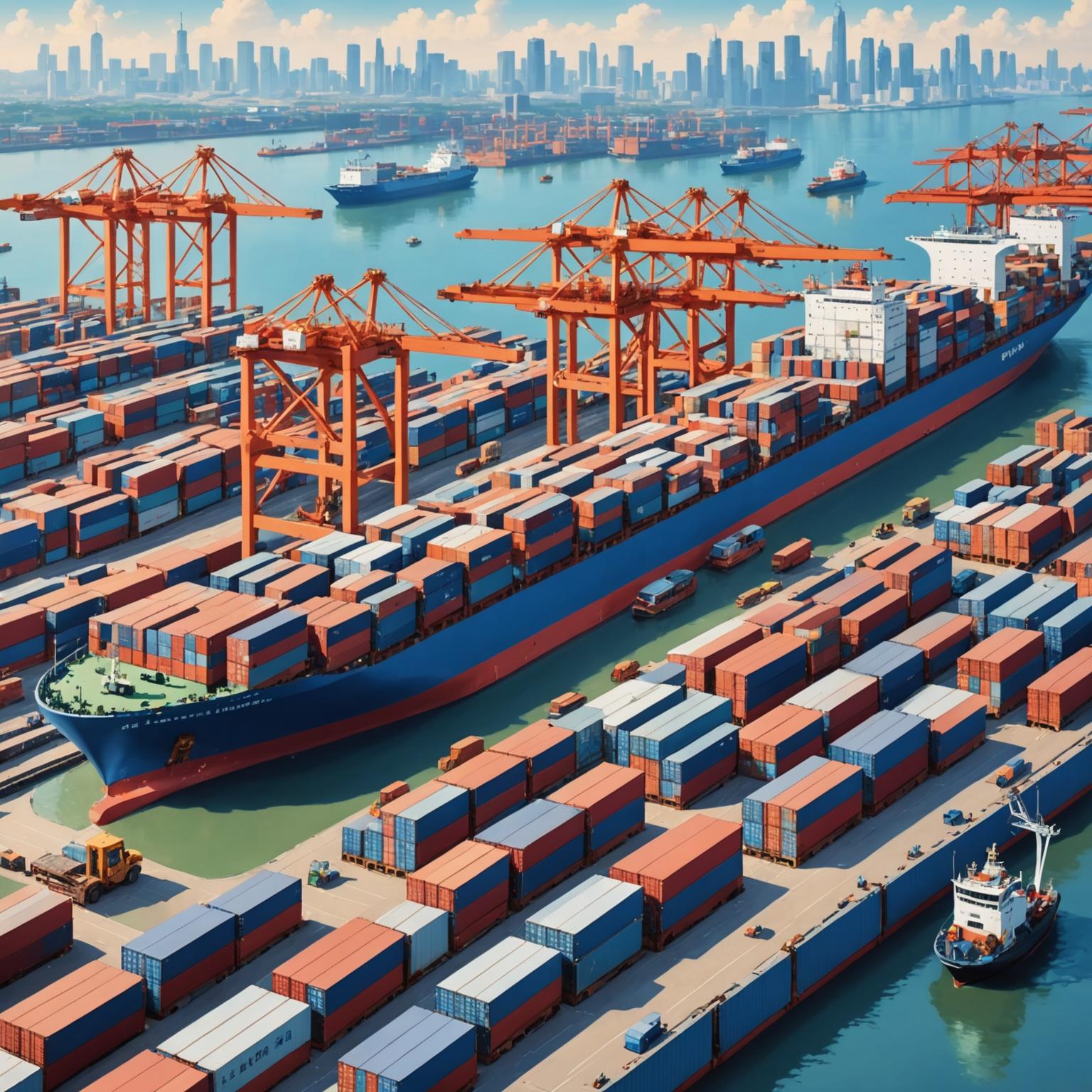
When it comes to moving large volumes of goods, Ocean Transport stands as the undisputed champion. It is the powerhouse of global trade, capable of carrying thousands of containers on a single mammoth cargo vessel. This incredible capacity makes it the most cost-effective solution for heavy, bulky, or non-urgent shipments. Companies dealing in raw materials, automotive parts, machinery, or mass-market consumer goods rely heavily on this method to keep their supply chains moving without incurring prohibitive costs. While transit times are significantly longer compared to air freight, the trade-off in price is often a compelling factor. Modern maritime logistics has also seen advancements, with state-of-the-art vessel designs that aim to reduce transit times and improve fuel efficiency, ensuring that this traditional mode remains a relevant and powerful force in modern logistics.
The Express Lane in the Sky: Air Transport
On the opposite end of the spectrum is Air Transport, the express lane of international logistics. Its primary advantage is unparalleled speed. For high-priority, time-sensitive, or high-value packages, there is no better option. Cargo jets can deliver goods across continents in a matter of hours or days, compared to the weeks it might take by sea. This makes it the ideal choice for perishable items like fresh produce, critical medical supplies, and high-tech electronics where market demands change rapidly. The provided product info highlights robust cargo jets engineered for just this purpose. Of course, this speed comes at a premium. The cost of Air Transport is substantially higher than ocean freight, making it less suitable for low-margin or heavy goods. It is a strategic choice for businesses where speed-to-market provides a critical competitive edge.
Making the Strategic Choice: Cost vs. Speed
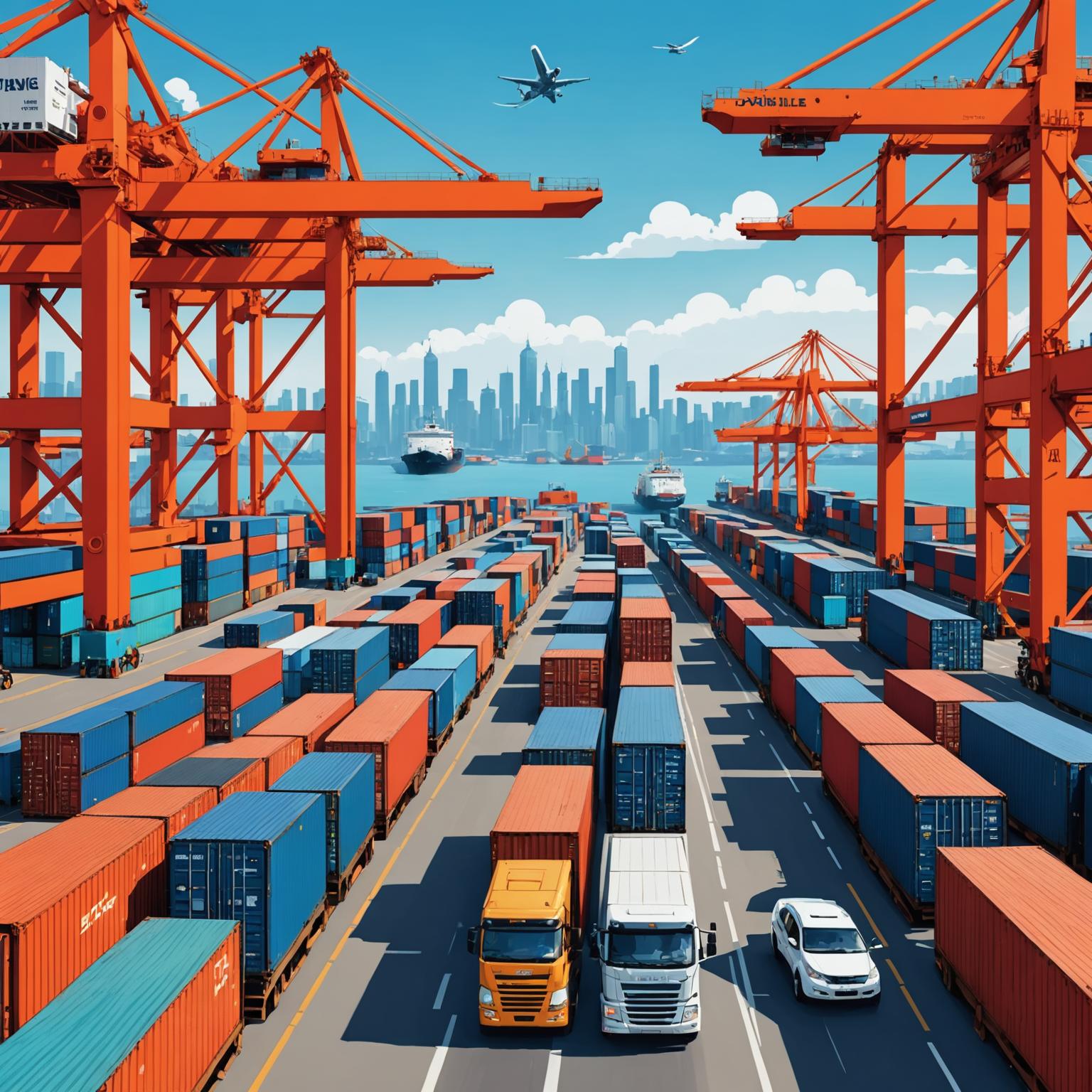
Selecting the right freight method requires a careful analysis of business needs. The decision hinges on a balance between cost, speed, cargo volume, and the nature of the goods being shipped. If your priority is minimizing expenses and your shipping schedule is flexible, Ocean Transport is the logical choice. However, if your products have a short shelf-life, are part of a just-in-time inventory system, or need to meet an urgent customer demand, the investment in Air Transport is often justified. The best logistics strategies often incorporate both, using a multi-modal approach to balance their supply chain. For instance, a company might use the sea for its main stock replenishment and the air for urgent, out-of-stock items or new product launches.
The Integrated Future of Global Logistics
The ultimate goal of modern supply chain mastery is not simply choosing one mode over another, but seamlessly integrating them. Advanced logistics solutions now use intelligent control systems powered by AI and IoT to coordinate air, land, and sea routes in real-time. This level of optimization ensures that whether goods are prepared for a long sea voyage or a rapid flight, the entire process is transparent and efficient. Systems like the SmartLogiX in a warehouse environment are crucial, preparing items with unrivaled precision for their journey. This holistic approach, which leverages the strengths of both shipping methods, ensures that goods are delivered reliably, rapidly, and with an increasingly mindful approach to sustainability. The future lies in this synergy between powerful transport options and smart technology.