Navigating the World of Modern Commerce
In today's interconnected marketplace, the success of a business often hinges on its ability to move goods efficiently across borders. Comprehensive Global Logistics Services are the backbone of this international trade, weaving together a complex network of transportation, warehousing, and management. However, not all shipping needs are the same, and understanding the fundamental differences between various logistics options is crucial. Choosing between the speed of air freight and the capacity of ocean freight represents a primary decision point for any company looking to optimize its supply chain and meet market demands effectively.
Speed and Precision: The Role of Air Freight in Modern Logistics
When time is of the essence, air freight stands as the undisputed champion of speed. For high-value, perishable, or time-sensitive goods such as pharmaceuticals and electronics, air transport offers unparalleled transit times. Modern cargo aircraft, like the state-of-the-art Airbus A350 XWB Freighter, exemplify this advantage. Built with advanced composite materials and powered by fuel-efficient engines, these planes not only reduce transit times but also provide secure, adaptable cargo holds for delicate packages. This mode of international shipping prioritizes rapid delivery and precision handling, ensuring that critical shipments arrive in perfect condition. While typically a more premium option, the benefits of minimized lead times and reduced inventory carrying costs often justify the investment, making it an essential component of many transportation solutions.
Capacity and Cost-Effectiveness: The Power of Ocean Shipping
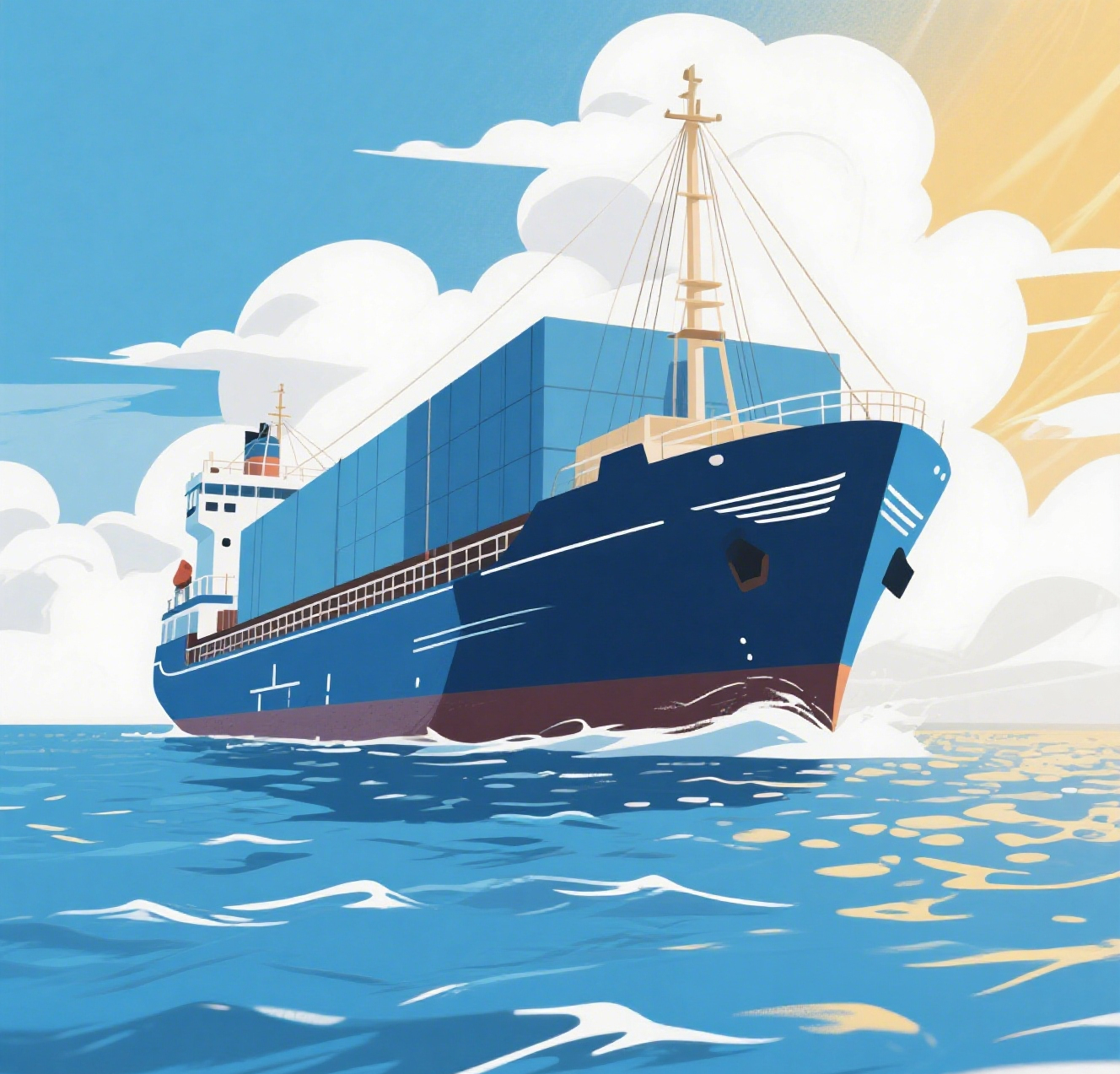
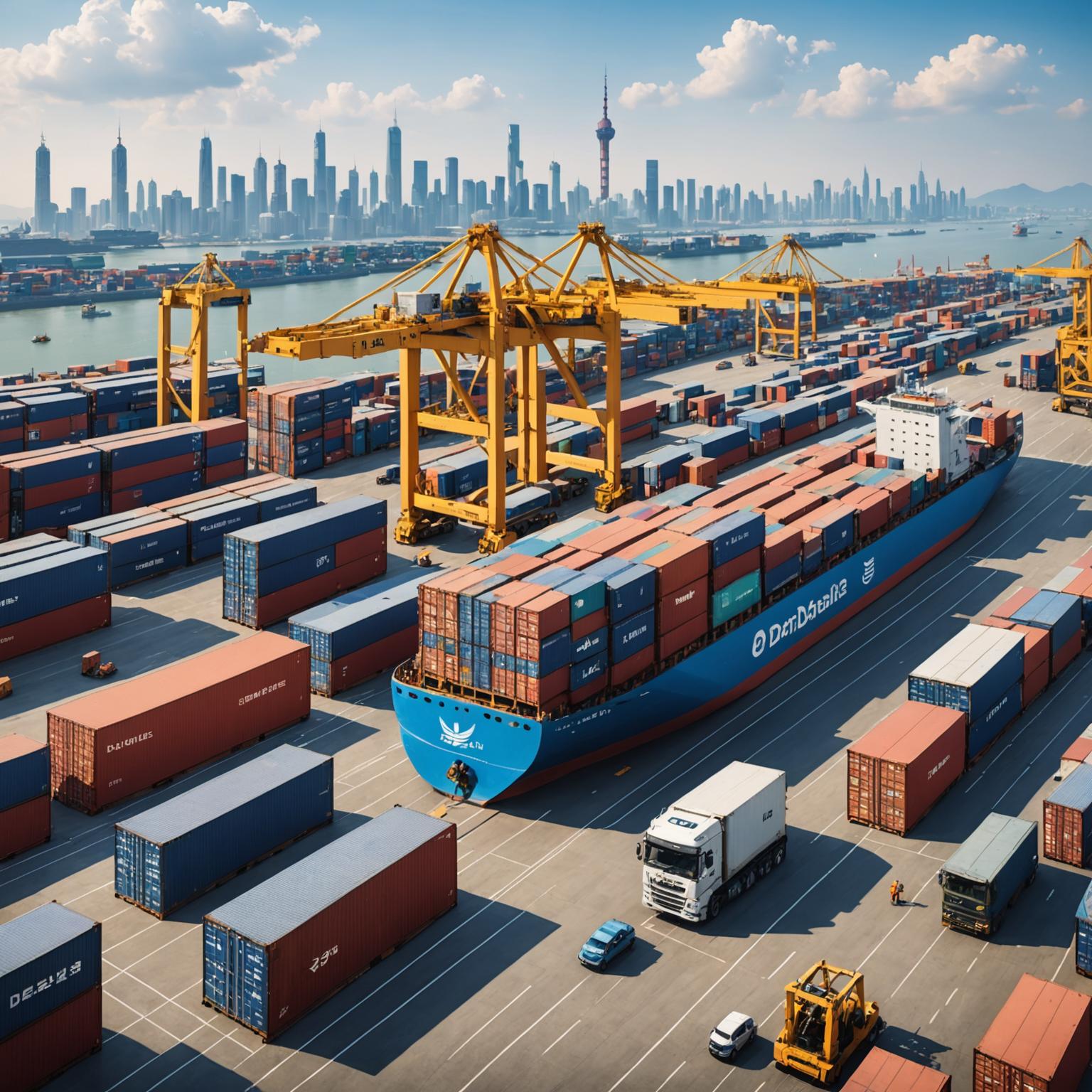
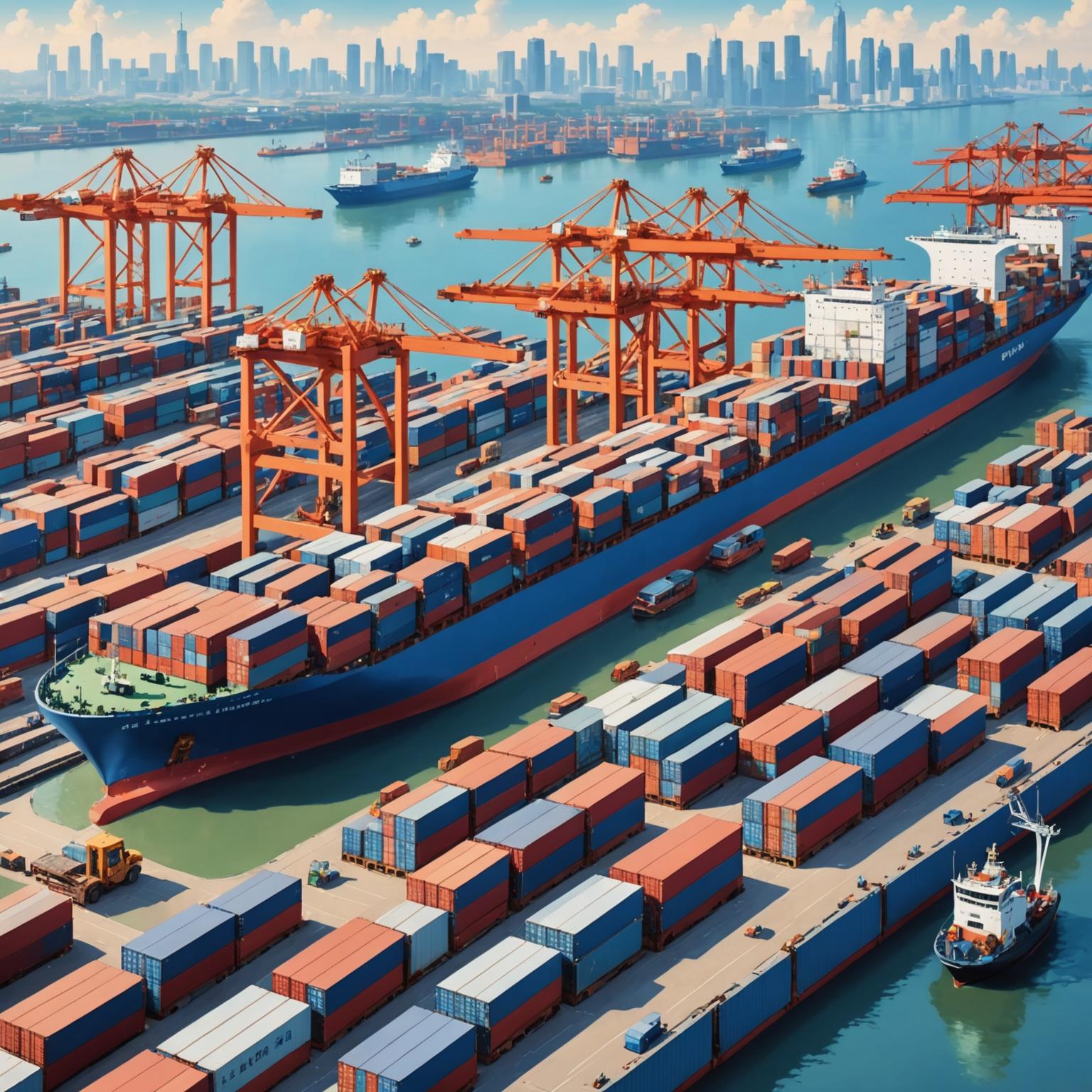
In contrast to the swiftness of air freight, ocean shipping offers a different set of advantages centered on capacity and cost-effectiveness. For businesses dealing with bulk goods, raw materials, or products where longer transit times are acceptable, sea freight is the superior choice. Colossal container ships, such as the MSC ALBORADA, can carry thousands of containers in a single voyage, drastically lowering the per-unit shipping cost. This method is the workhorse of global logistics, enabling mass movement of goods between continents. Effective freight forwarding services coordinate these massive shipments, managing everything from booking space on a vessel to handling documentation, making global trade accessible and affordable for a wide range of industries.
The Crucial Link: Integrating Warehousing and Supply Chain Management
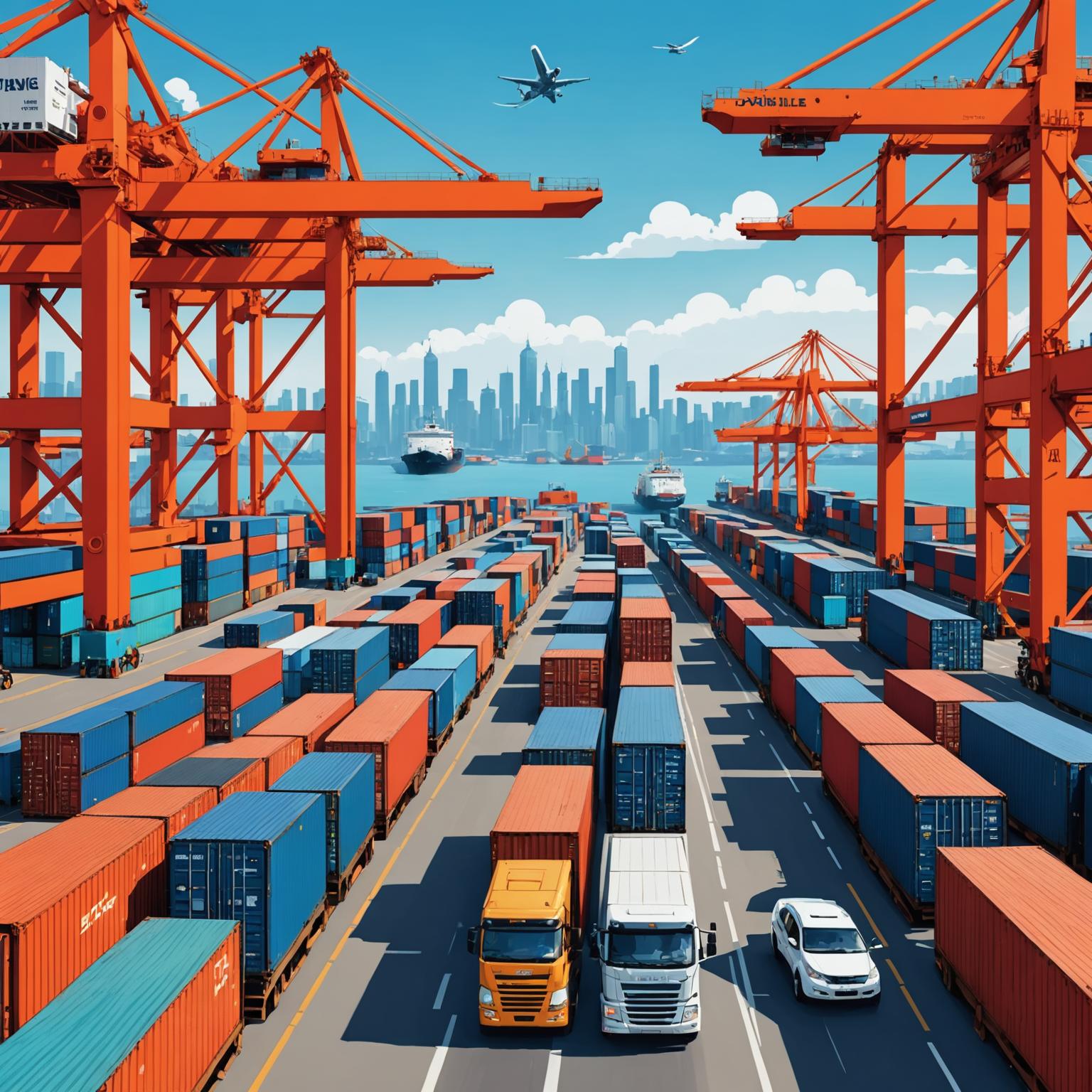
The journey of a product doesn't end when it reaches a port or airport. The crucial link that ties these transportation modes together is a sophisticated and efficient warehousing system. Modern distribution centers are the nerve centers of supply chain management, where goods are received, sorted, stored, and dispatched. These facilities utilize advanced technology, including automated conveyor systems, real-time data tracking, and precision forklifts, to ensure seamless workflow. This integration minimizes handling, reduces bottlenecks, and optimizes inventory levels. Furthermore, services like customs brokerage are often managed within this hub, ensuring that all regulatory requirements are met smoothly, preventing costly delays and completing the end-to-end logistics services puzzle.
Choosing the Right Partner for Your Needs
Ultimately, the choice between air and sea freight is not always a simple one; often, the most effective strategy involves a hybrid approach tailored to specific needs. A robust global logistics plan might use sea freight for stocking inventory and air freight for urgent, last-minute orders. The key is to partner with a provider that offers a full spectrum of logistics services and understands the nuances of each. A partner with access to cutting-edge transportation solutions and integrated supply chain management can help you navigate the complexities of international trade, ensuring your goods are delivered efficiently, safely, and cost-effectively, no matter the destination.