Navigating the Complex World of Global Logistics
In the intricate dance of global commerce, choosing the right mode of transportation is a critical decision that can define a company's success. For decades, businesses have weighed the benefits of Ocean Transport against other methods, often facing a trade-off between cost, speed, and capacity. While sea freight remains the undisputed champion for moving large volumes of goods economically across continents, the modern supply chain demands more agility and responsiveness. The traditional approach of treating each transport leg as a separate entity is no longer sufficient. Today, a new paradigm is emerging, one that harmonizes different transport modes into a single, intelligent ecosystem.
The Foundation of Global Trade: Ocean Transport
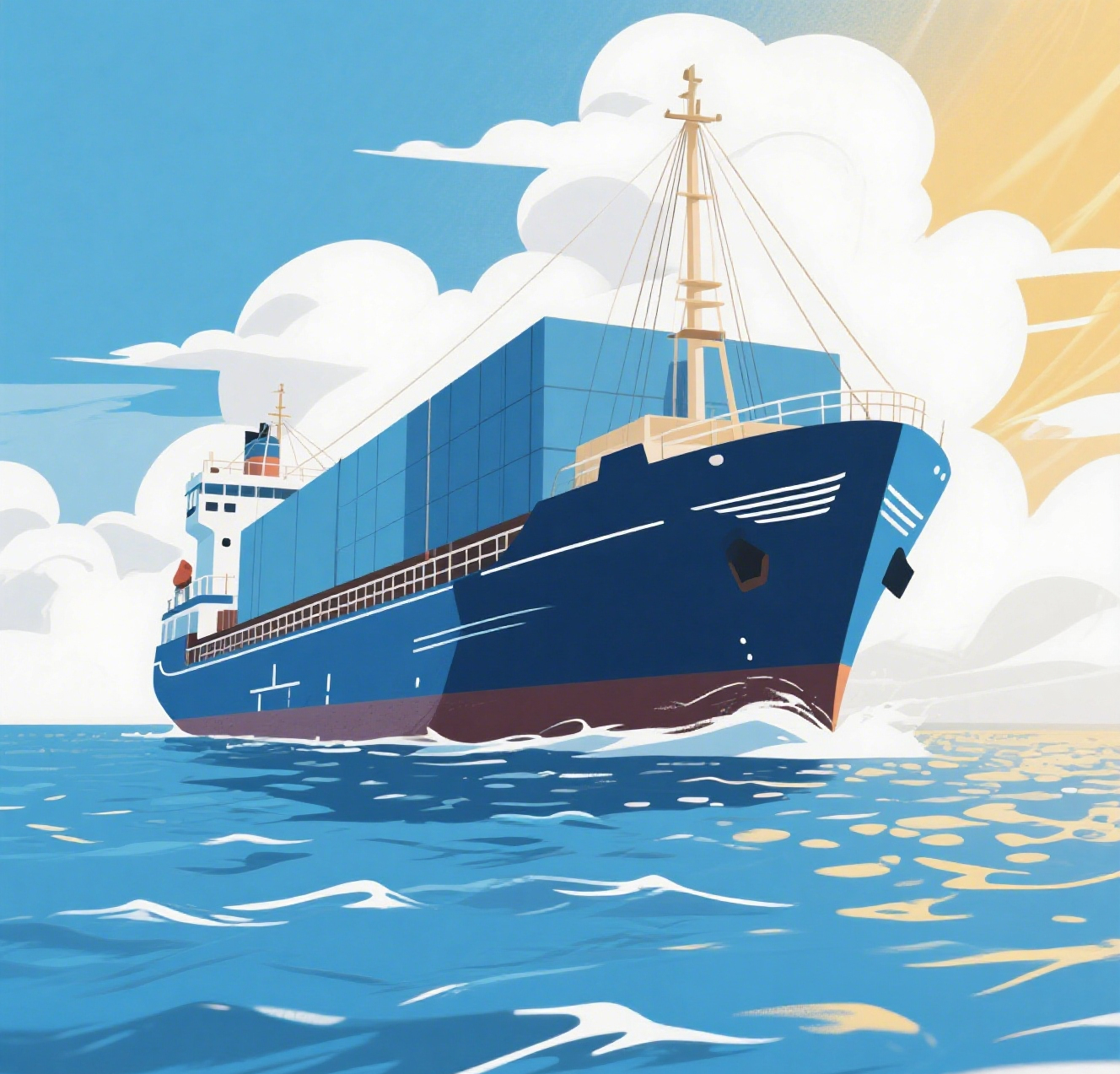
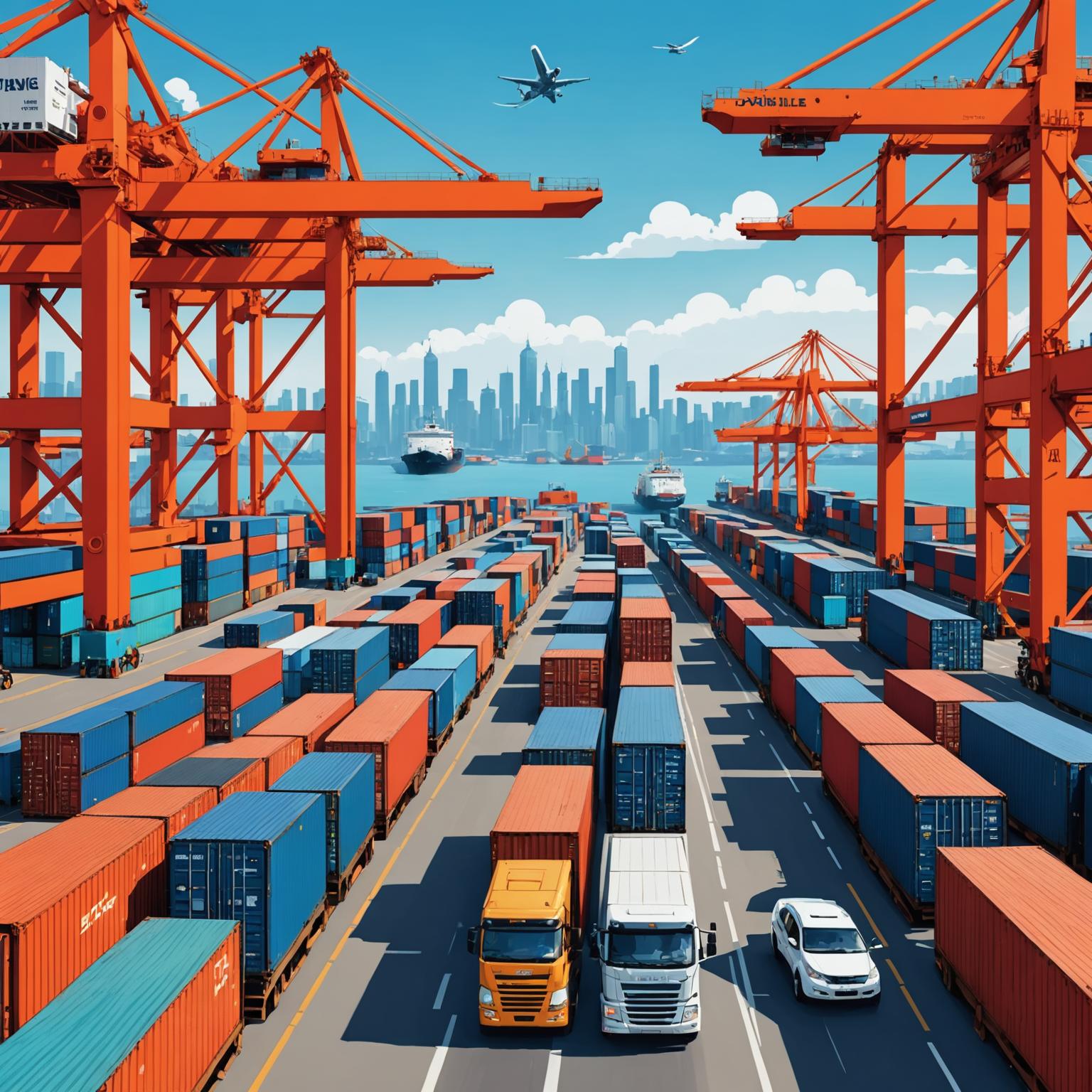
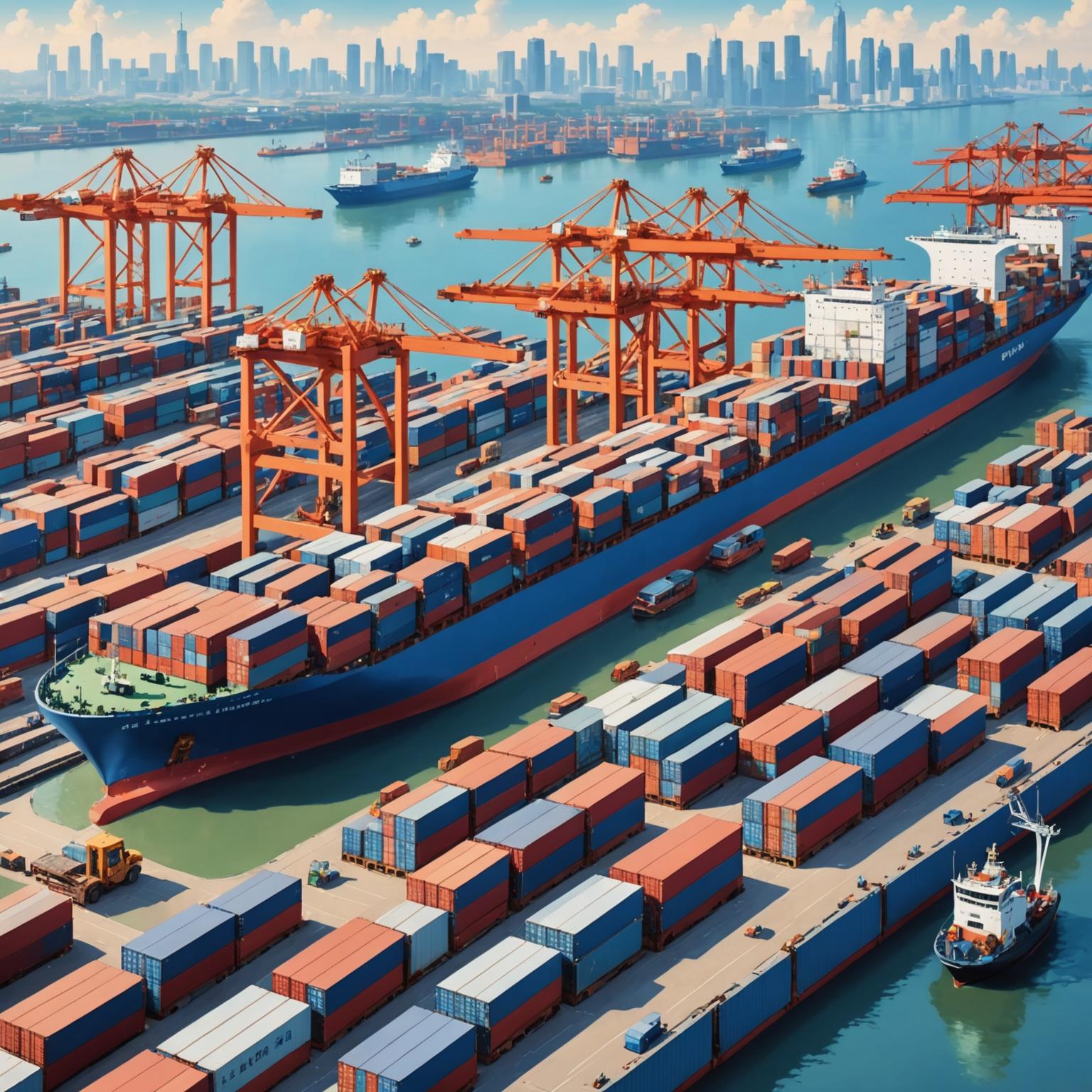
There is a reason why the vast majority of international trade by volume is carried by sea. Ocean Transport offers unparalleled capacity and cost-effectiveness, making it the ideal choice for bulk commodities, heavy machinery, raw materials, and large-scale consumer goods. It is the backbone of the global economy, connecting manufacturing hubs with consumer markets in a steady, reliable flow. This method allows companies to achieve significant economies of scale, reducing the per-unit shipping cost and making products more affordable for the end consumer. However, the primary drawback is time. Transit can take weeks or even months, which can tie up capital in inventory and create challenges for industries that require just-in-time delivery.
When Speed is Paramount: The Advantage of Air Transport
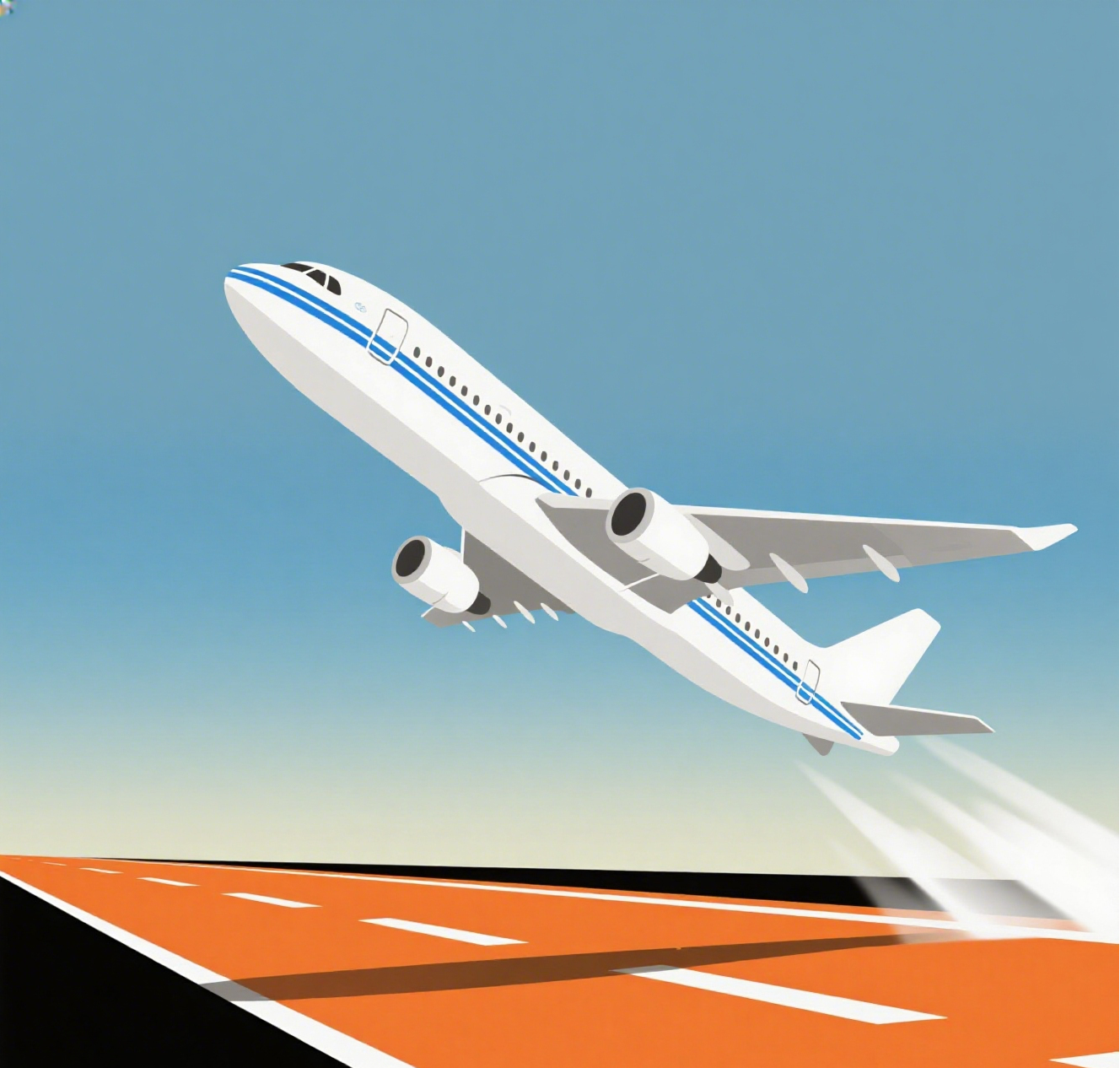
On the other side of the spectrum is Air Transport, the preferred solution when speed is the top priority. For time-sensitive cargo such as pharmaceuticals, high-tech electronics, perishable goods, and critical repair parts, the speed of air freight is indispensable. It dramatically reduces transit times from weeks to mere days, enabling businesses to respond quickly to market demands, minimize inventory holding costs, and maintain the integrity of sensitive products. While highly reliable and secure, the premium on speed comes with a significantly higher cost and limitations on a shipment's size and weight. This makes Air Transport a strategic choice for high-value or urgent shipments rather than a routine solution for all logistics needs.
Beyond the Dilemma: An Integrated and Multimodal Solution
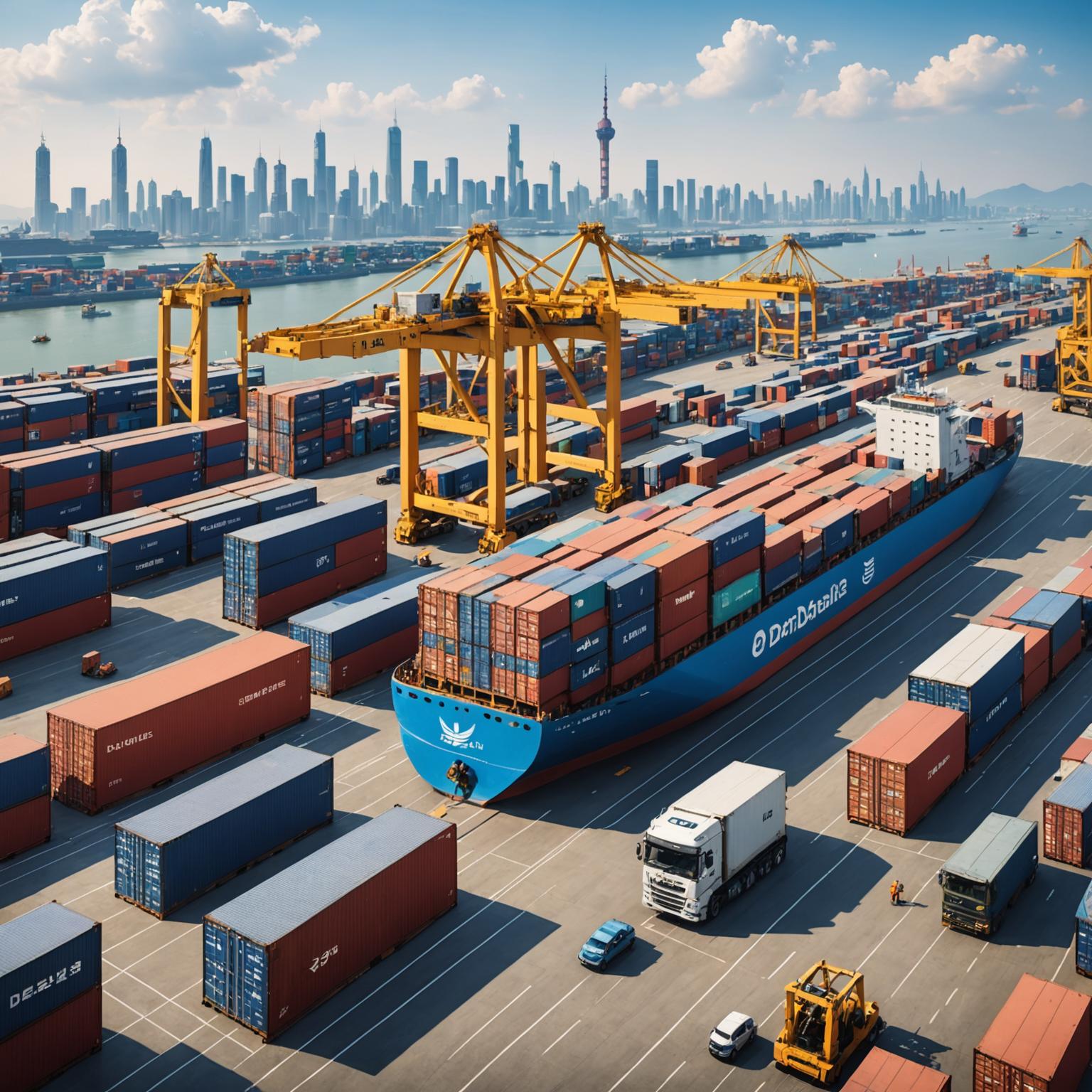
Why choose between cost and speed when you can have the best of both worlds? The future of logistics lies in breaking down the silos between transport modes. Our revolutionary Integrated and Multimodal Transport System is engineered to do just that, creating a seamless ecosystem that combines the power of sea, air, and land transportation. This system is managed by a unified, AI-driven command platform that optimizes your entire supply chain. It intelligently routes shipments, selecting the most efficient path based on your specific needs for speed, cost, and sustainability. Imagine your goods moving from a factory via an eco-innovative truck to a port, loaded onto a vessel equipped with smart containers offering real-time tracking, and then transferred to a high-efficiency cargo plane for the final, time-critical leg of the journey—all managed and synchronized through a single interface.
Embracing a Smarter, Greener, and Faster Future
This integrated approach fundamentally transforms the logistics landscape. It’s no longer about a simple choice between Ocean Transport or Air Transport; it’s about leveraging a dynamic, flexible system that adapts to your requirements. Our platform provides complete visibility with advanced tracking and climate control, ensuring your cargo arrives securely and in pristine condition. Furthermore, with a focus on sustainability through energy-efficient aircraft and zero-emission ground vehicles, this system not only boosts your profitability but also aligns with corporate environmental responsibility goals. By unifying the strengths of each transport mode, we empower businesses to build more resilient, efficient, and forward-thinking supply chains, rewriting the rules of global logistics for a new era of commerce.