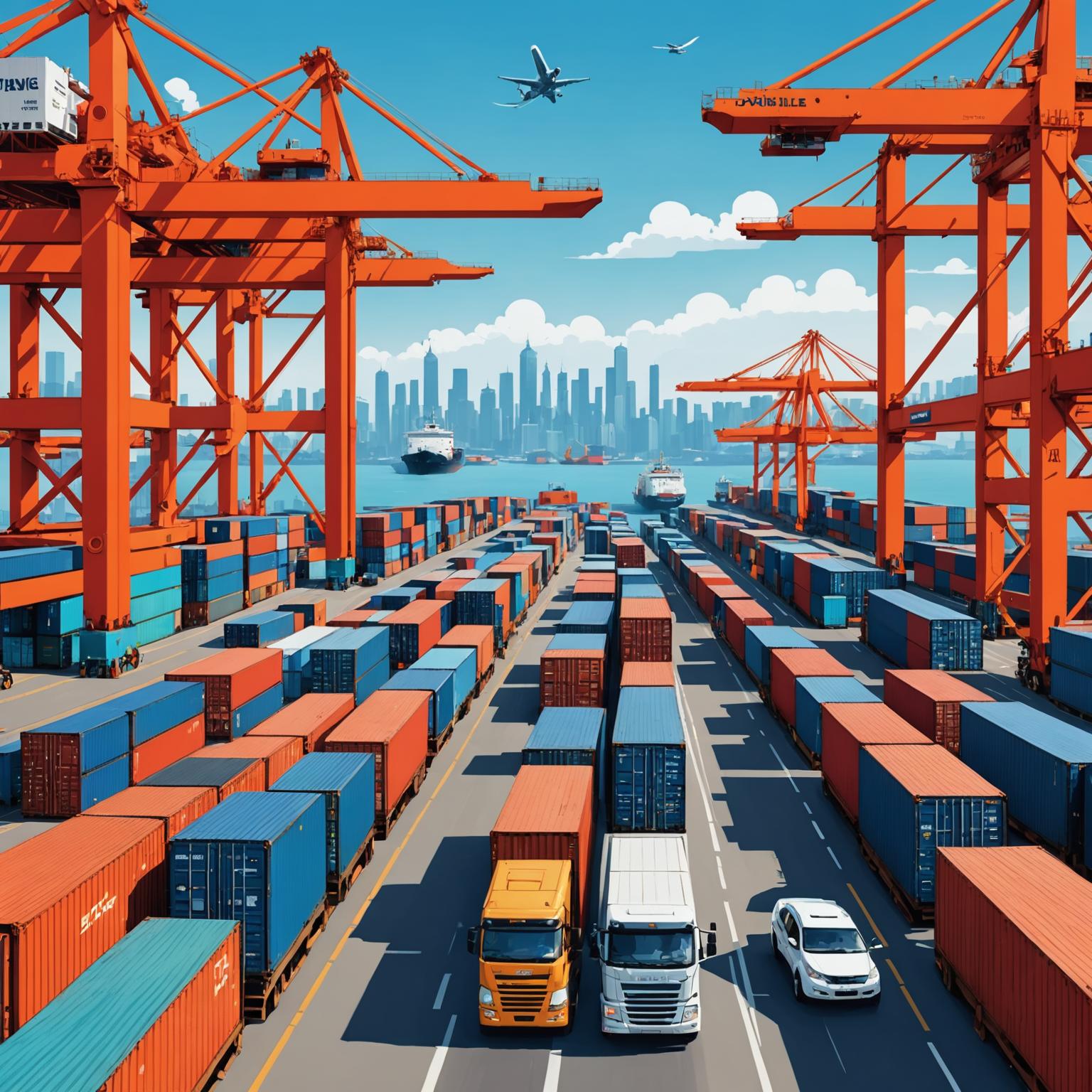
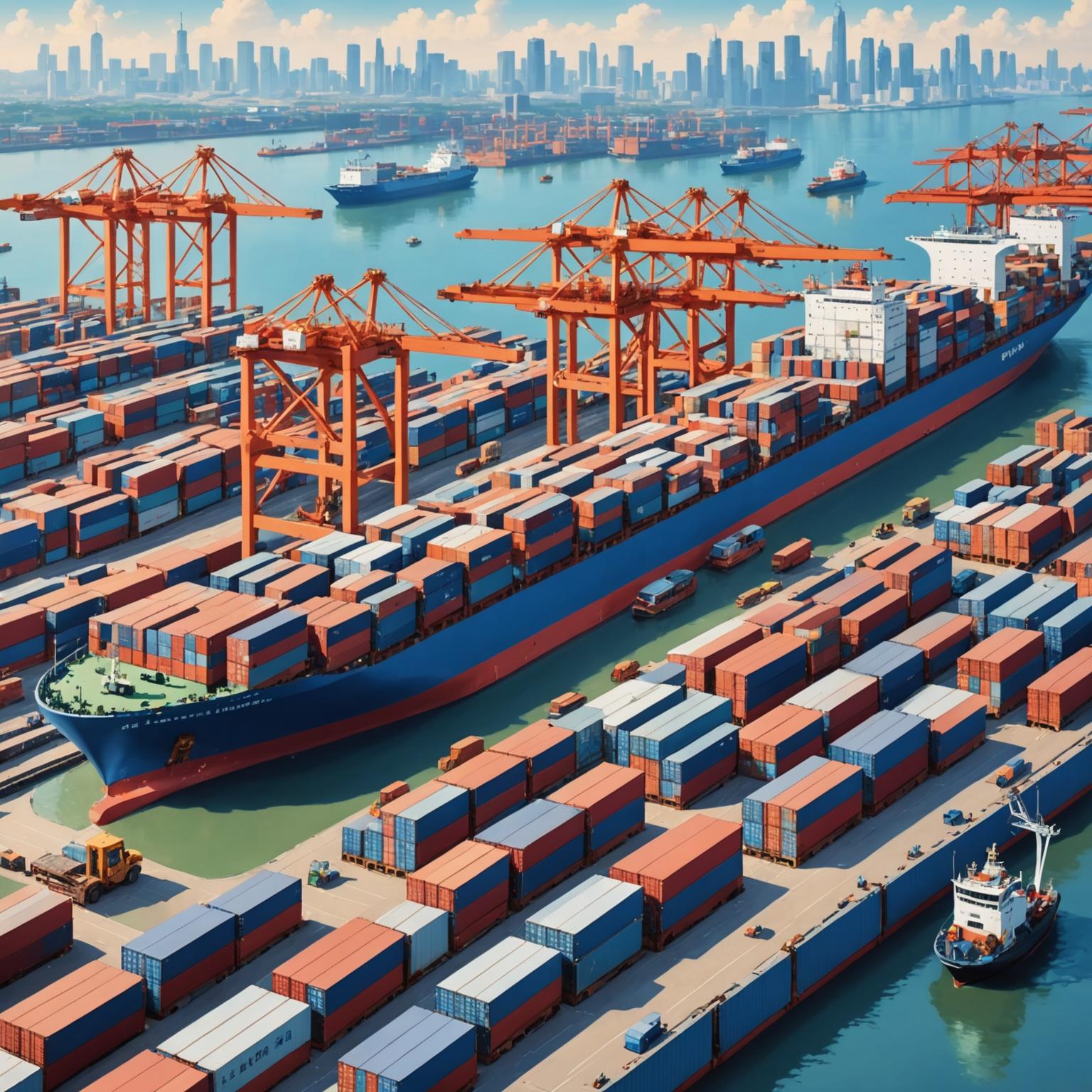
In the complex and ever-expanding world of international commerce, the efficient movement of goods is the backbone of the global economy. Two primary methods dominate the landscape of international shipping, each offering distinct advantages for different logistical needs: Ocean Transport and Air Transport. Understanding the capabilities and strategic applications of these two modes is crucial for any business looking to compete on a global scale. While one offers unparalleled capacity and cost-effectiveness, the other provides unmatched speed, and modern solutions are increasingly focused on integrating them for optimal supply chain performance.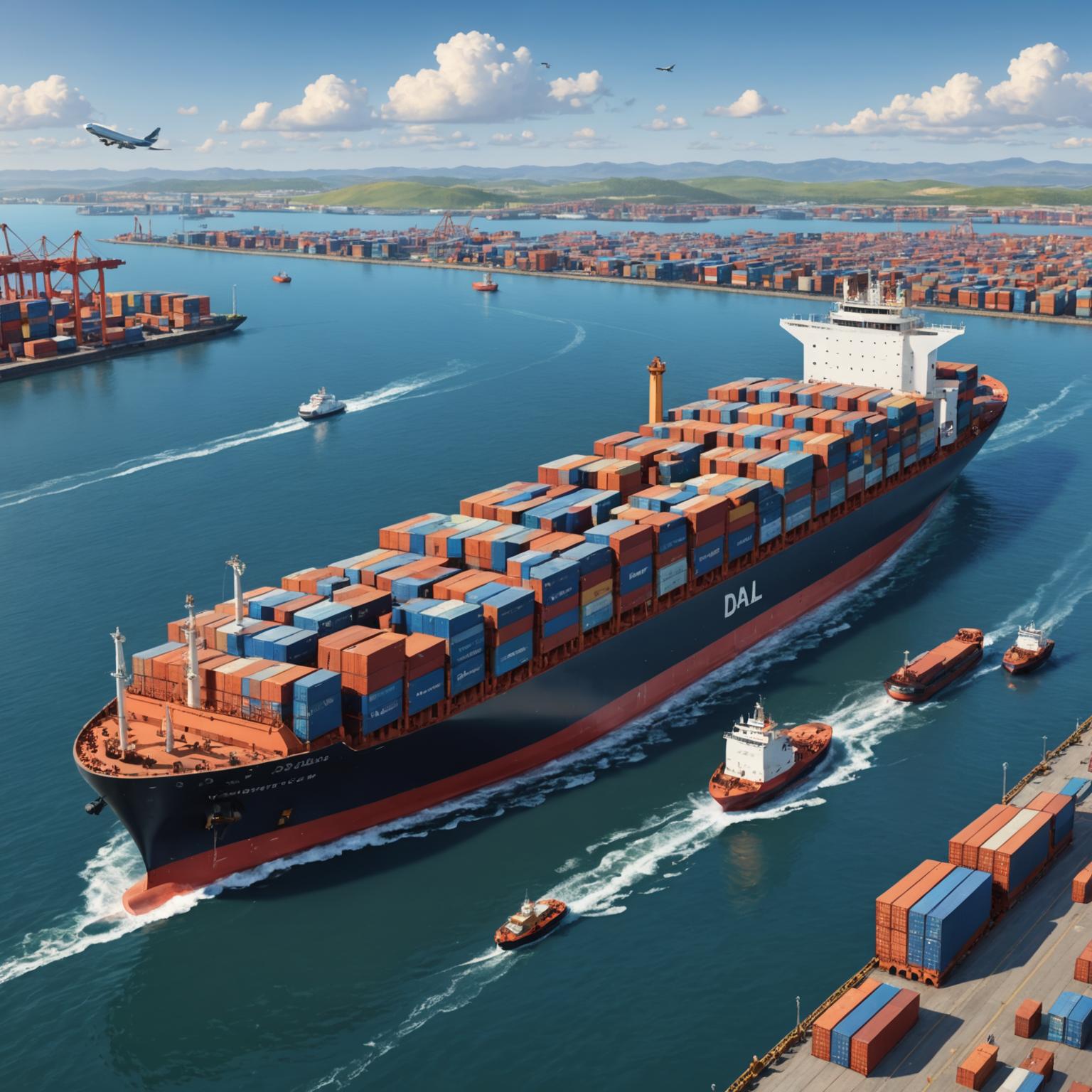
The Foundation of Global Trade: Ocean Transport
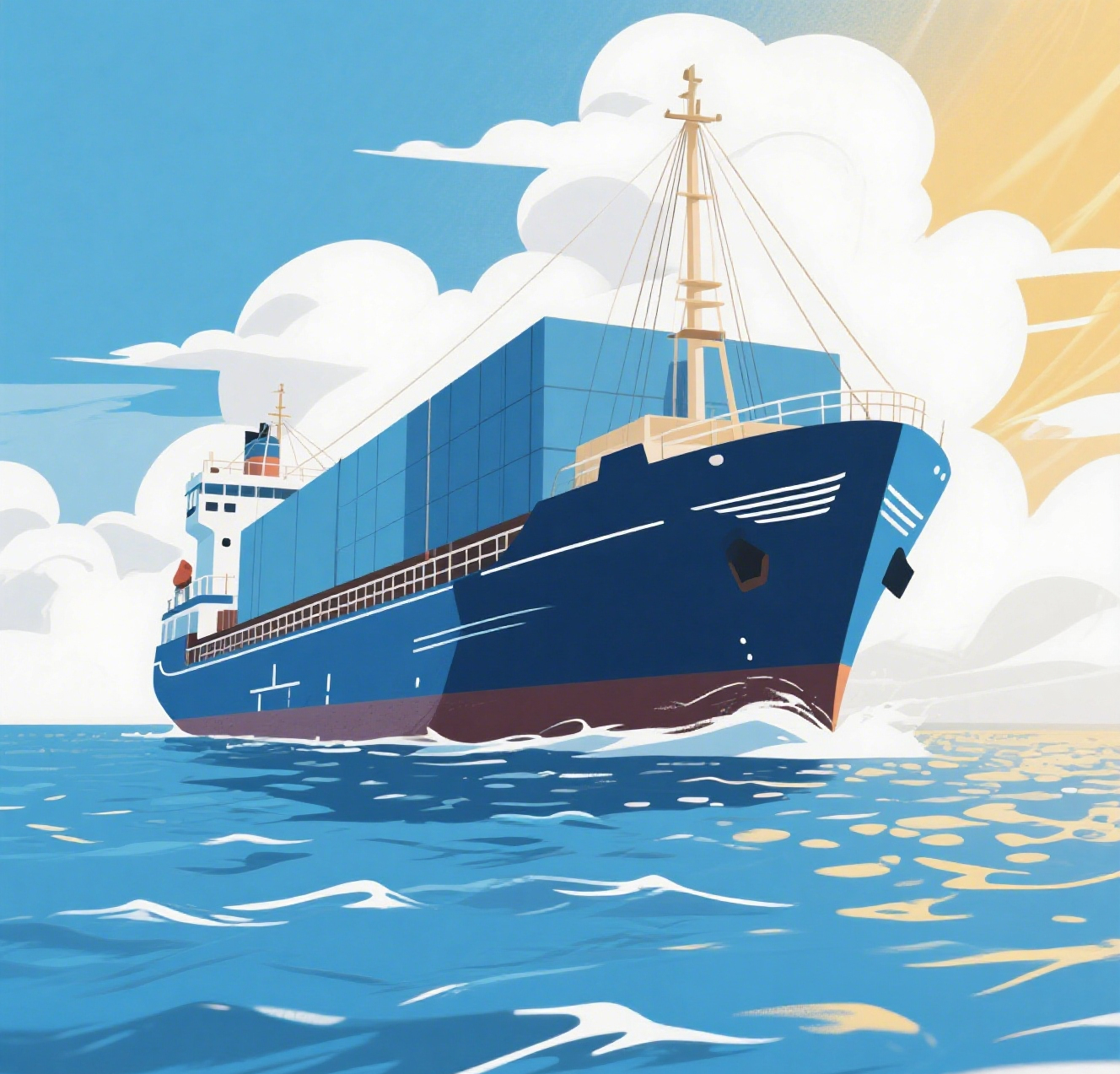
When it comes to moving large volumes of goods across continents, Ocean Transport remains the undisputed leader. Its primary advantage lies in its immense capacity and cost-efficiency. A single container ship can carry thousands of containers, making the per-unit cost significantly lower than any other form of international shipping. This makes it the ideal choice for bulk commodities, heavy machinery, raw materials, and non-perishable consumer goods where transit time is less critical than budget. However, this mode comes with the trade-off of longer transit times, which can range from weeks to over a month. Advanced logistics platforms now help mitigate this drawback by providing sophisticated container management systems and end-to-end scheduling tools, reducing turnaround times at ports and delivering more predictable and cost-effective global shipping strategies.
Speed and Precision with Air Transport
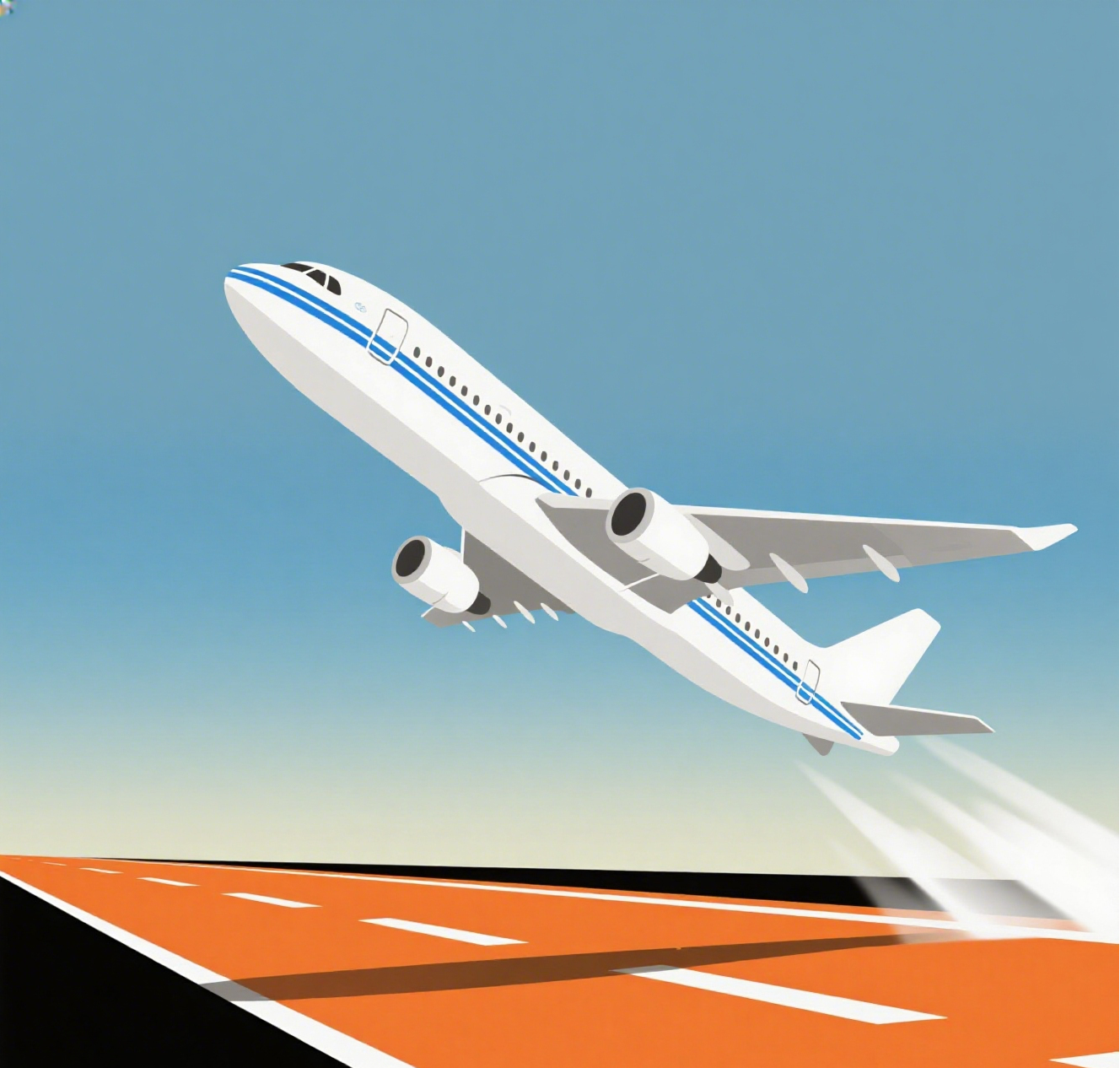
On the other end of the spectrum is Air Transport, the go-to solution when speed is the top priority. For time-sensitive cargo such as perishable goods, high-value electronics, pharmaceuticals, or urgent replacement parts, shipping by air is often the only viable option. It drastically reduces transit times from weeks to mere days or even hours. This speed comes with higher security and reliability, as cargo handling is more controlled and transit is less susceptible to lengthy delays. The main constraint of Air Transport is its higher cost and limitations on cargo size and weight. To maximize its value, businesses rely on logistics solutions engineered for speed, offering real-time tracking, advanced route optimization, and compliance tools to ensure cargo soars with efficiency and lands with precision.
Choosing Between Sea and Air: A Strategic Decision
The decision between using Ocean Transport or Air Transport is a strategic one that directly impacts a company's bottom line and customer satisfaction. The choice hinges on a careful analysis of several factors: budget constraints, delivery deadlines, cargo weight and volume, and the nature of the products being shipped. For businesses planning inventory well in advance and seeking to minimize costs, sea freight is the logical choice. Conversely, for companies operating with just-in-time manufacturing models or dealing with express deliveries, the premium cost of air freight is a necessary investment for maintaining a competitive edge and meeting consumer demand.
Unifying Logistics with Multi-Modal Solutions
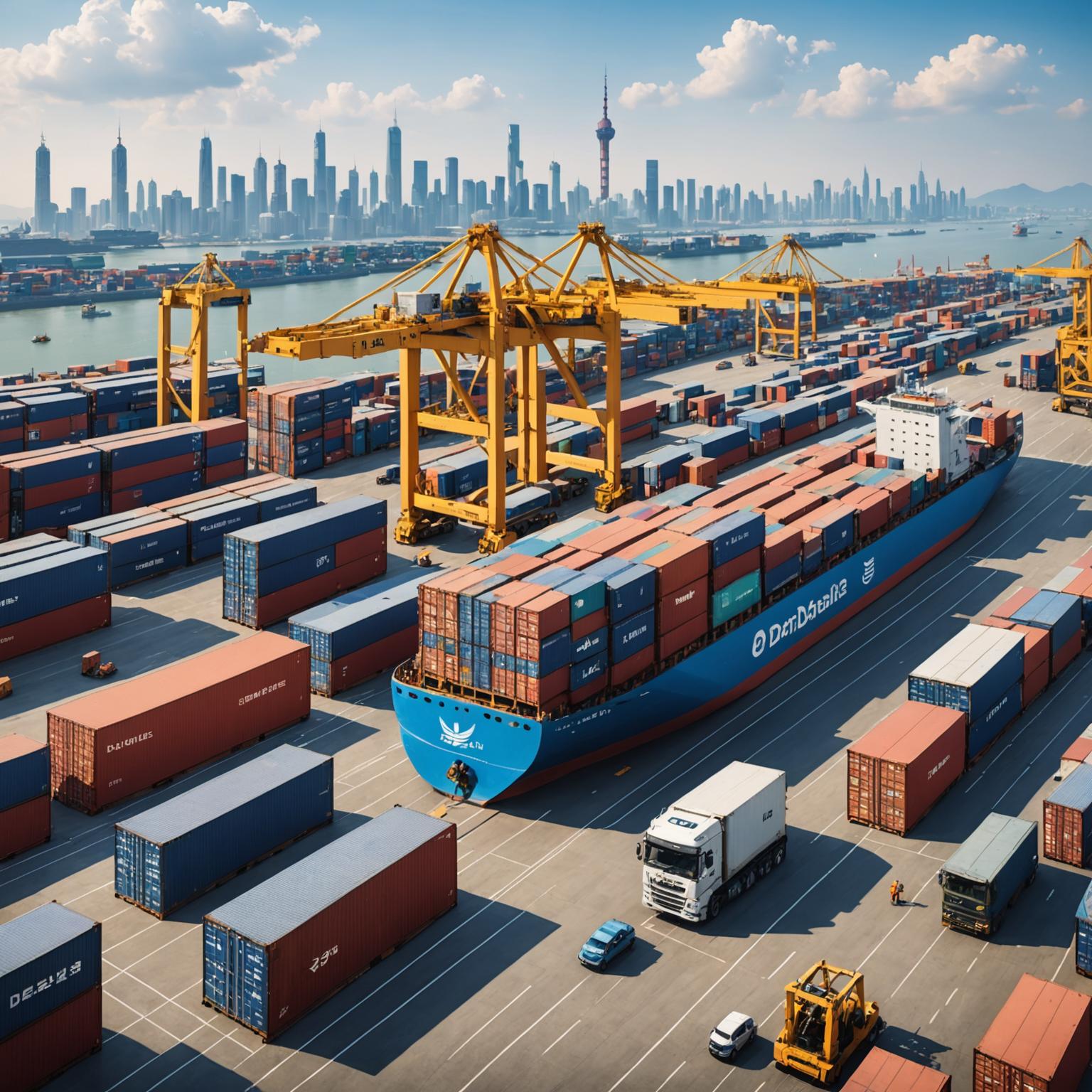
The true innovation in modern logistics is not about choosing one mode over the other, but seamlessly integrating them. Many complex shipments today are multi-modal, meaning they utilize a combination of land, sea, and air transport to move from origin to destination. This is where cutting-edge technology becomes indispensable. An Ultimate Multi-Modal Transport Management Solution unifies these disparate elements onto a single platform. By leveraging AI, predictive analytics, and cloud-based infrastructure, these systems allow data to flow effortlessly between air, sea, and land operations. This gives businesses a complete, bird’s-eye view of their entire logistics chain, enabling them to plan, monitor, and solve problems with unprecedented connectivity. This integrated approach ensures that cargo moves as efficiently as the global economy demands, turning the complexities of port, runway, and highway logistics into a finely tuned symphony.