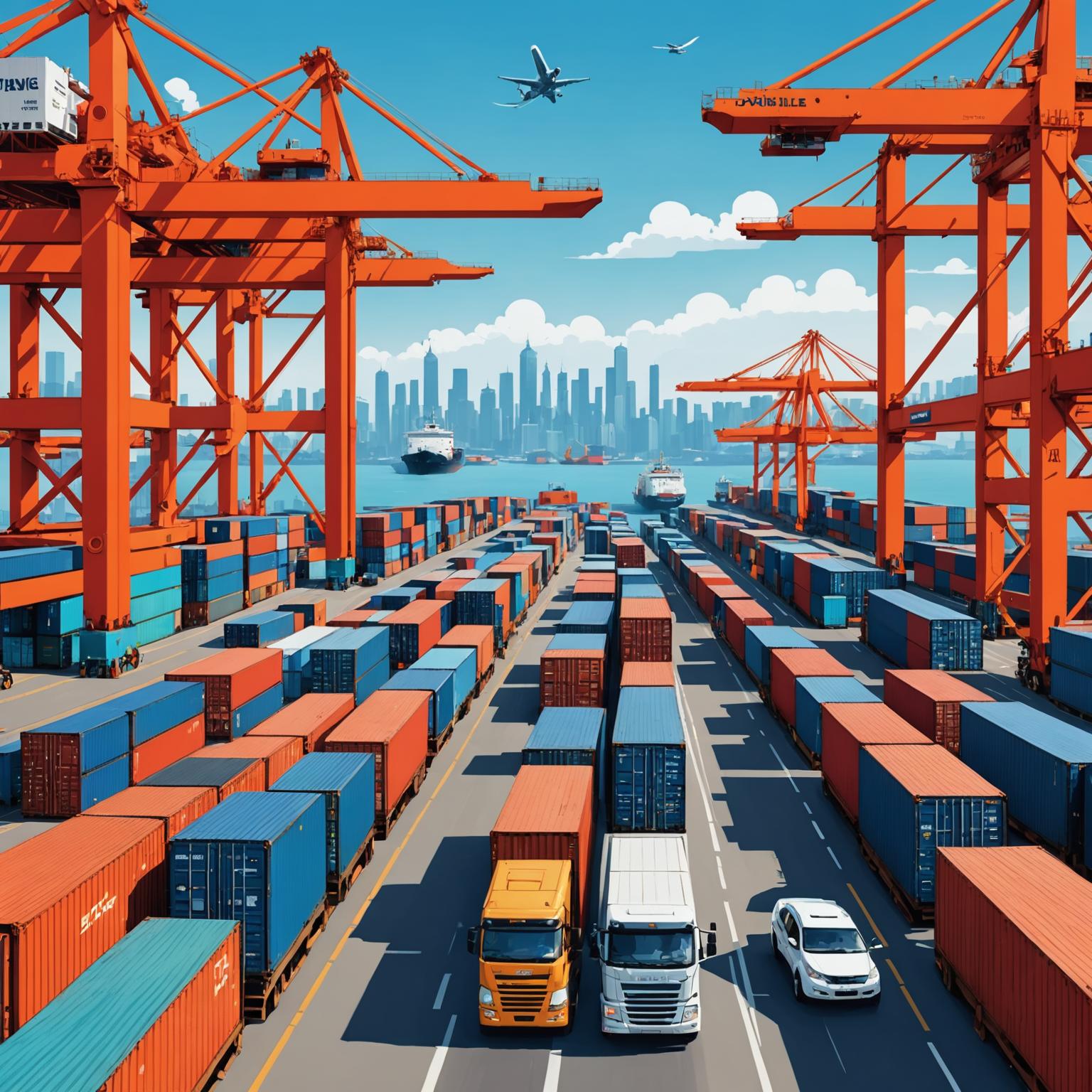
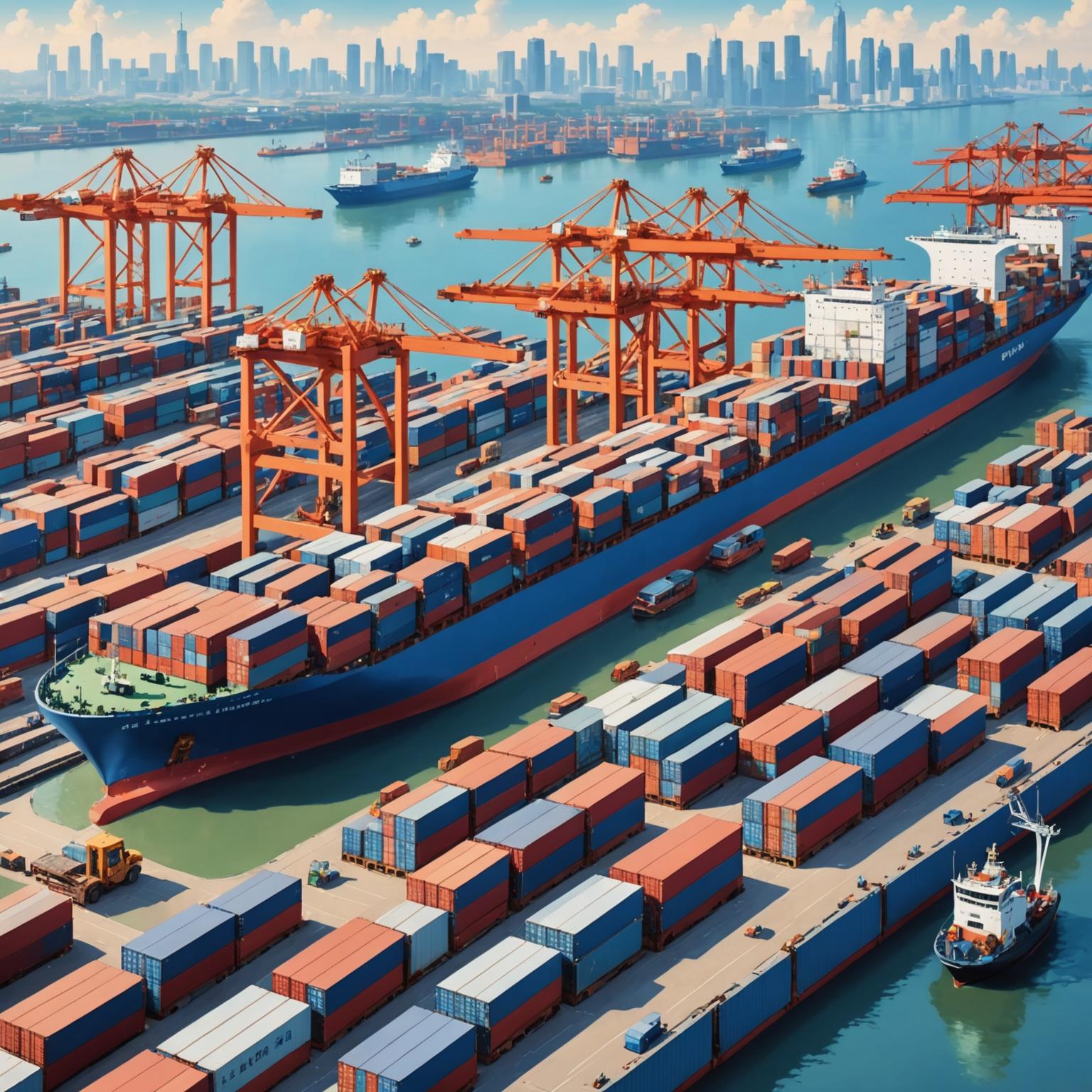
In the vast, interconnected world of global commerce, the efficient movement of goods from one continent to another is the lifeblood of countless industries. Two primary methods dominate this international stage: Ocean Transport and Air Transport. While both serve the fundamental purpose of connecting supply with demand across vast distances, they offer distinct advantages and are suited for different logistical needs. Understanding the nuances between these two modes is crucial for any business looking to optimize its supply chain for cost, speed, and reliability.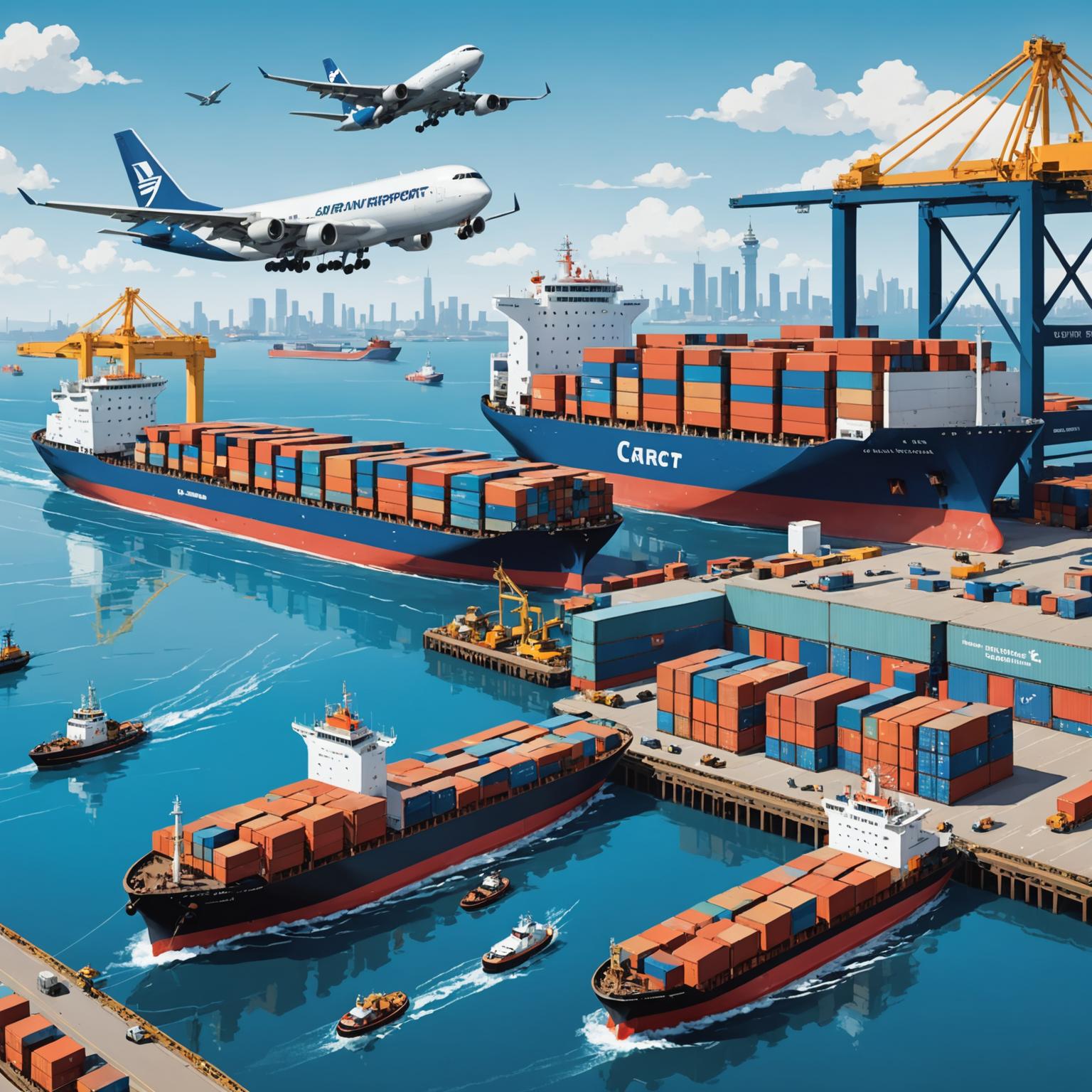
Understanding Ocean Transport
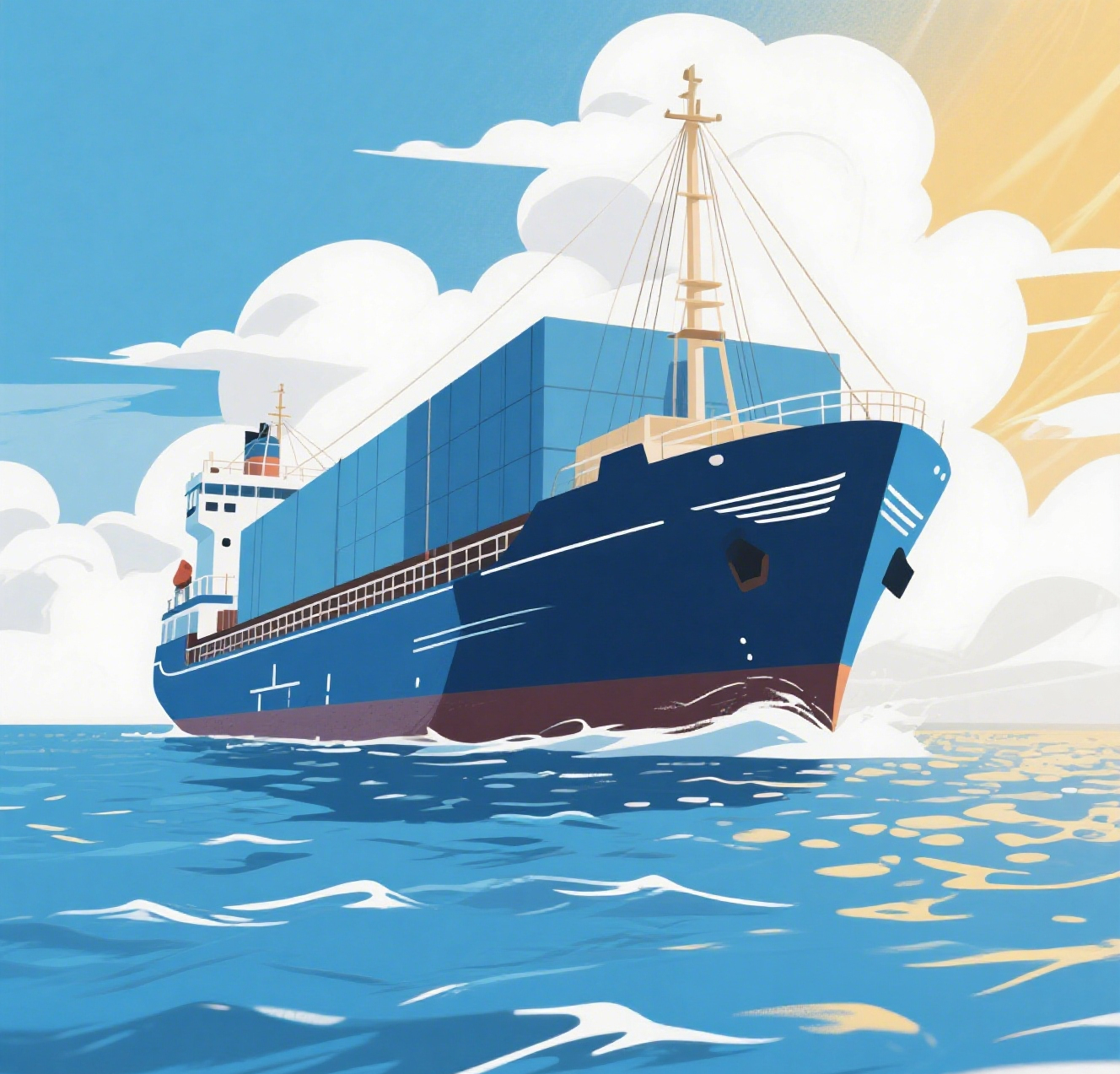
Ocean Transport is the workhorse of international trade, responsible for moving the vast majority of global freight by volume. Its most significant advantage is cost-effectiveness. Shipping goods via sea is substantially cheaper than by air, especially for large, heavy, or bulk shipments. This makes it the default choice for industries dealing with raw materials, vehicles, machinery, and non-perishable consumer goods. Cargo ships possess immense capacity, allowing companies to move massive quantities in a single journey, leading to unparalleled economies of scale. While historically slower, modern advancements and streamlined port operations have improved transit times, though it remains the more leisurely option. The environmental footprint per ton-mile is also generally lower for sea freight compared to air, making it a more sustainable choice for large-volume logistics.
The Speed of Air Transport
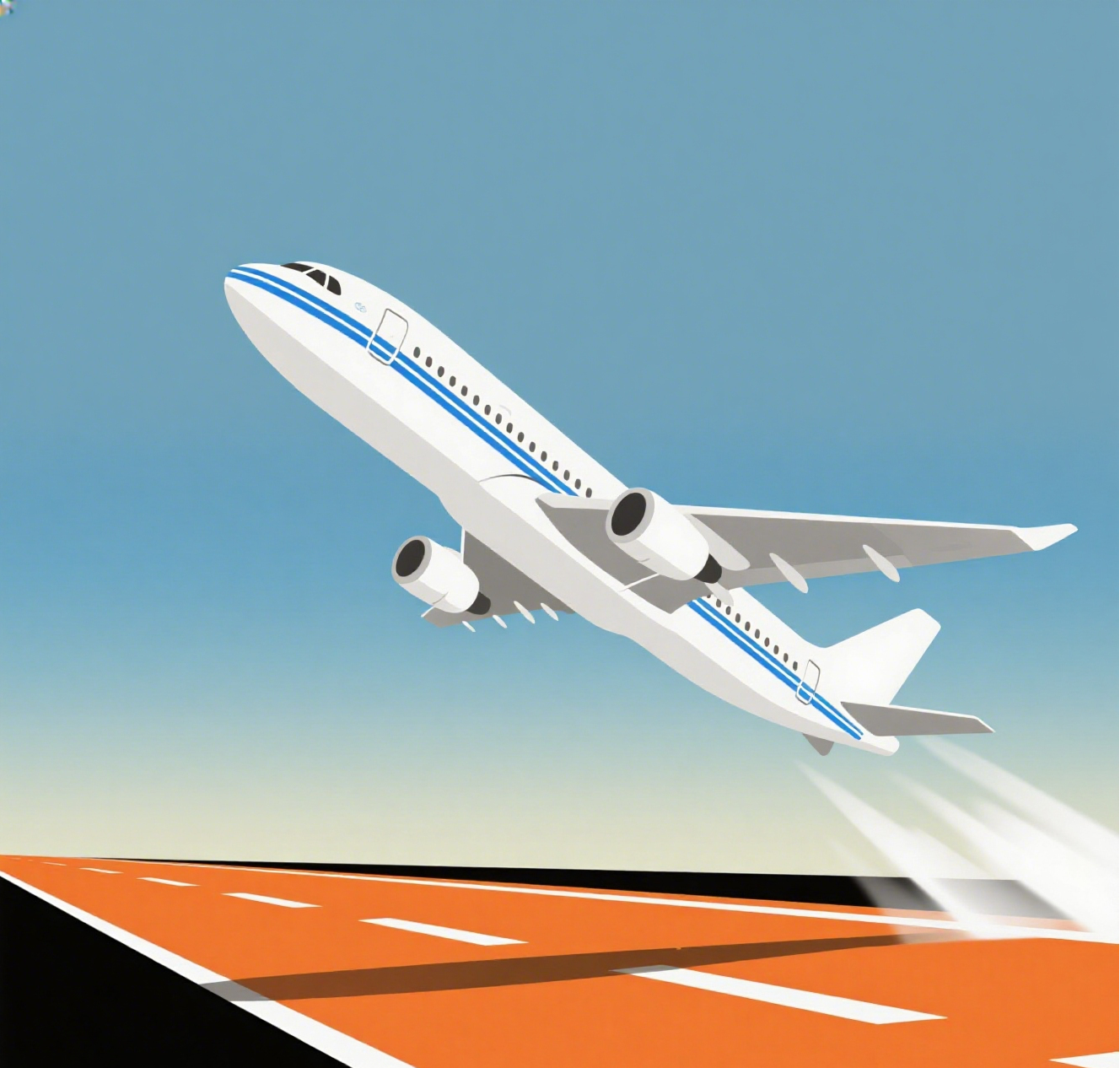
When time is of the essence, Air Transport is the undisputed champion. It offers unparalleled speed, capable of reducing transit times from weeks to mere days or even hours. This velocity is critical for high-value, low-volume goods such as electronics, pharmaceuticals, and luxury items, where the cost of holding inventory is high or the product is time-sensitive. Perishable goods, like fresh flowers or specialty foods, also rely heavily on air freight to reach markets while maintaining quality. This speed and reliability come at a premium, as the cost of Air Transport is significantly higher than its ocean counterpart. Furthermore, aircraft have limitations on the size and weight of cargo they can carry, making it unsuitable for the kind of bulk shipments handled by sea.
Choosing Between Ocean and Air Transport
Selecting the right transport mode requires a careful evaluation of several key factors. The decision often boils down to a trade-off between cost and speed. If your business prioritizes low shipping costs and operates with flexible timelines, Ocean Transport is the logical choice. However, for urgent shipments or high-value products where speed to market is a competitive advantage, the higher expense of Air Transport is easily justified. The nature of the cargo itself is another critical determinant. Bulky, heavy, or non-urgent items are best suited for sea, while small, lightweight, and time-critical products are ideal for air. Ultimately, the right choice aligns the logistics strategy with the company's overall business goals and customer expectations.
The Power of Integrated Logistics
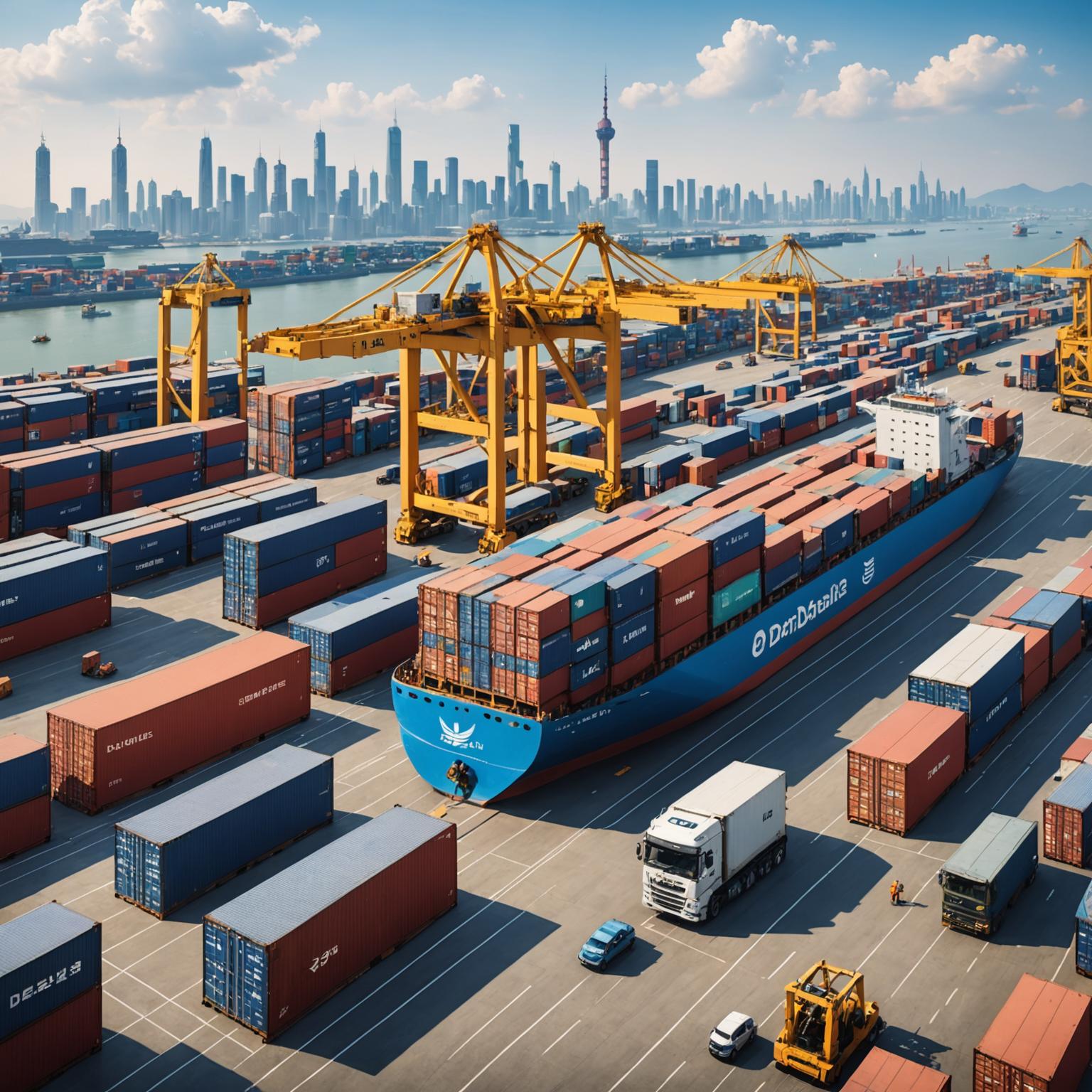
In today's sophisticated supply chains, the choice is not always mutually exclusive. The future of global transportation lies in integrated, multi-modal logistics systems that seamlessly connect air, land, and sea for an unparalleled level of efficiency. Modern solutions leverage advanced technology to offer a holistic view of the entire supply chain. With AI-driven route optimization, real-time GPS tracking, and predictive analytics, businesses can manage complex shipments that may begin on a truck, travel across the sea, and complete the final leg by air. This synergy ensures that goods flow across the globe without interruption, minimizing costs and enhancing visibility at every stage. This intelligent approach transforms logistics from a simple shipping decision into a strategic advantage, ensuring precision, efficiency, and scalability for global operations.